It was great! I’m so glad I went! That’s my reaction to my first Jane Austen convention – the Jane Austen Society of North America’s Annual General Meeting, held in Minneapolis a week and a half ago. So here’s the blow-by-blow I promised you in my earlier post on the subject (see Minneapolis, Here I Come).

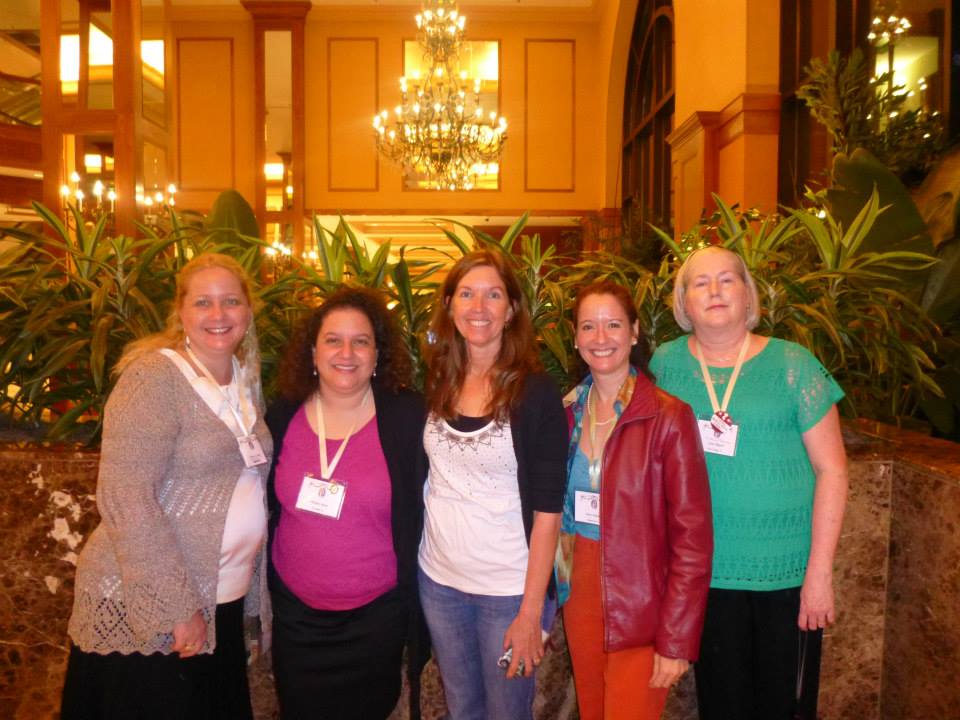
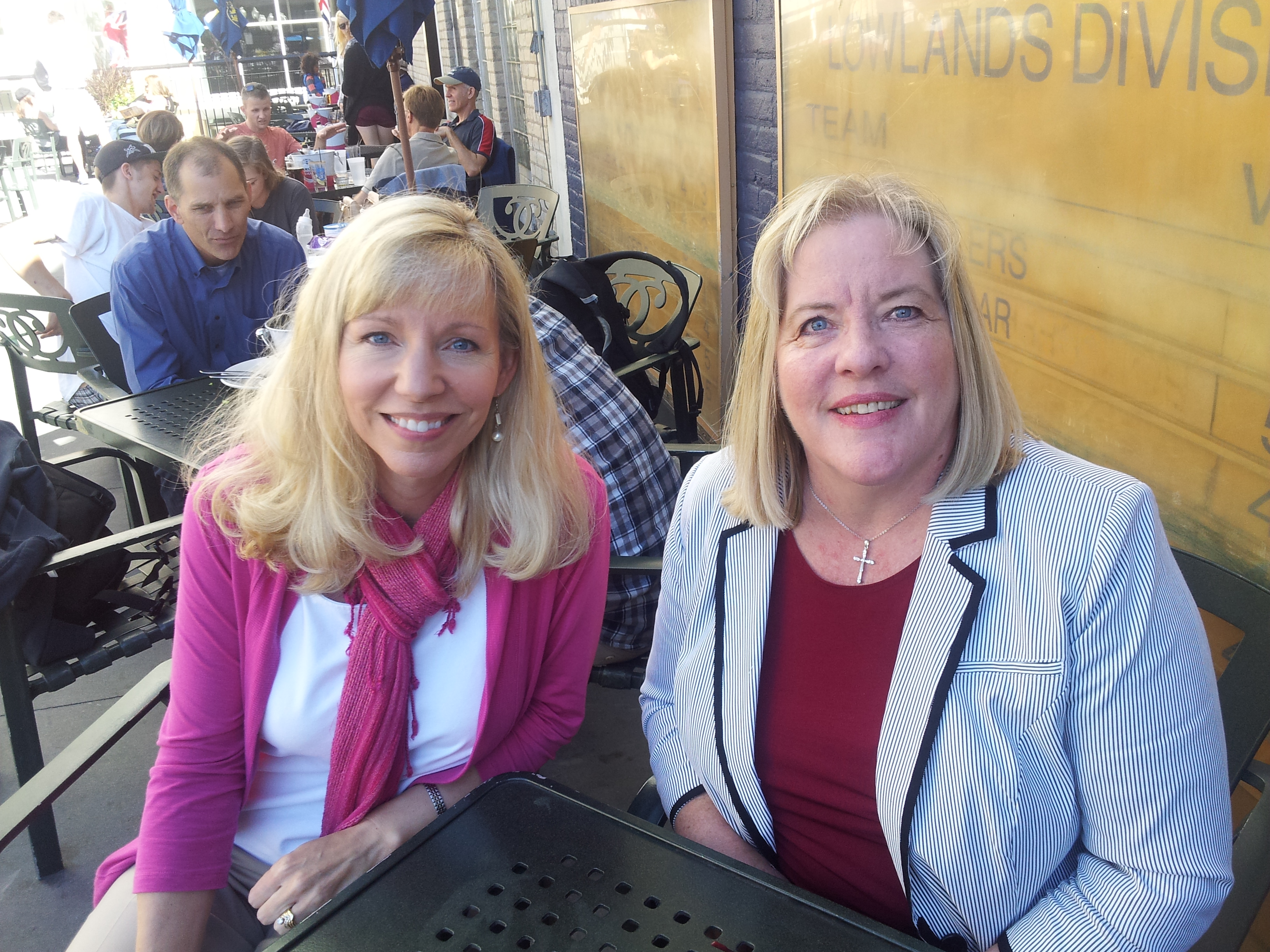
Sharon Lathan, Marilyn Brant, Candy Morton, Maria Grace, & C.A. Pierson at the Hilton
I flew out of Seattle on Wednesday afternoon (September 25) with heavy suitcases bearing books and high expectations for all I would see and do in the next four days. My first goal upon arriving in Minneapolis was to connect up in baggage claim with my friend and roommate for the weekend, fellow Austen Author Susan Mason-Milks, who was also coming from Seattle on a different flight. What happened next was a sign for how the weekend would go. Before I could even meet up with Susan, I stumbled across four other Janeites whom I knew but hadn’t expected to find, at least not so soon! All six of us ended up piling into a van-style cab together. And at the hotel, these fun and fortuitous meetings just kept coming.
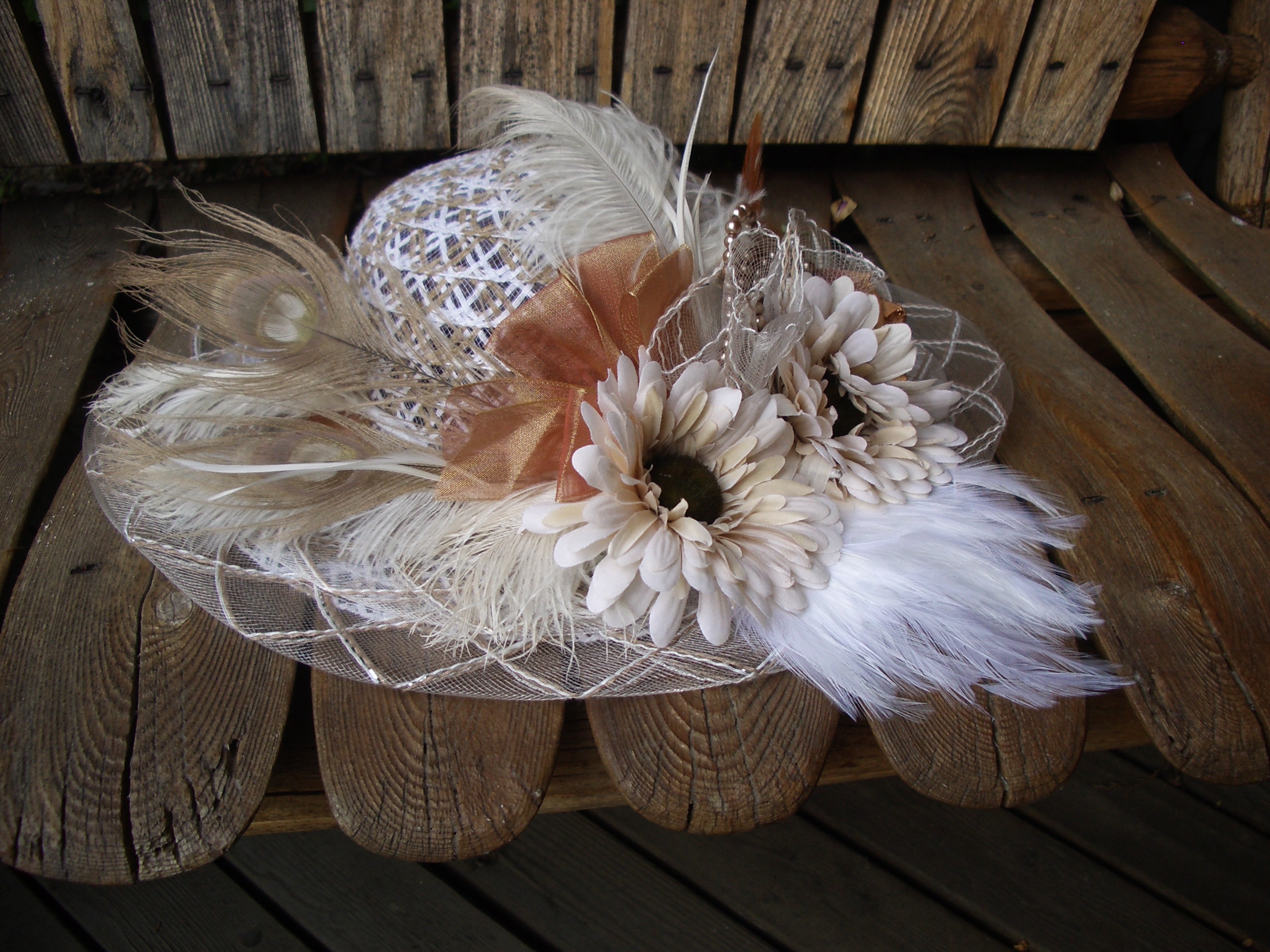
Next week shall begin my operations on my hat, on which you know my principal hopes of happiness depend. (Jane Austen, a letter, 1798)
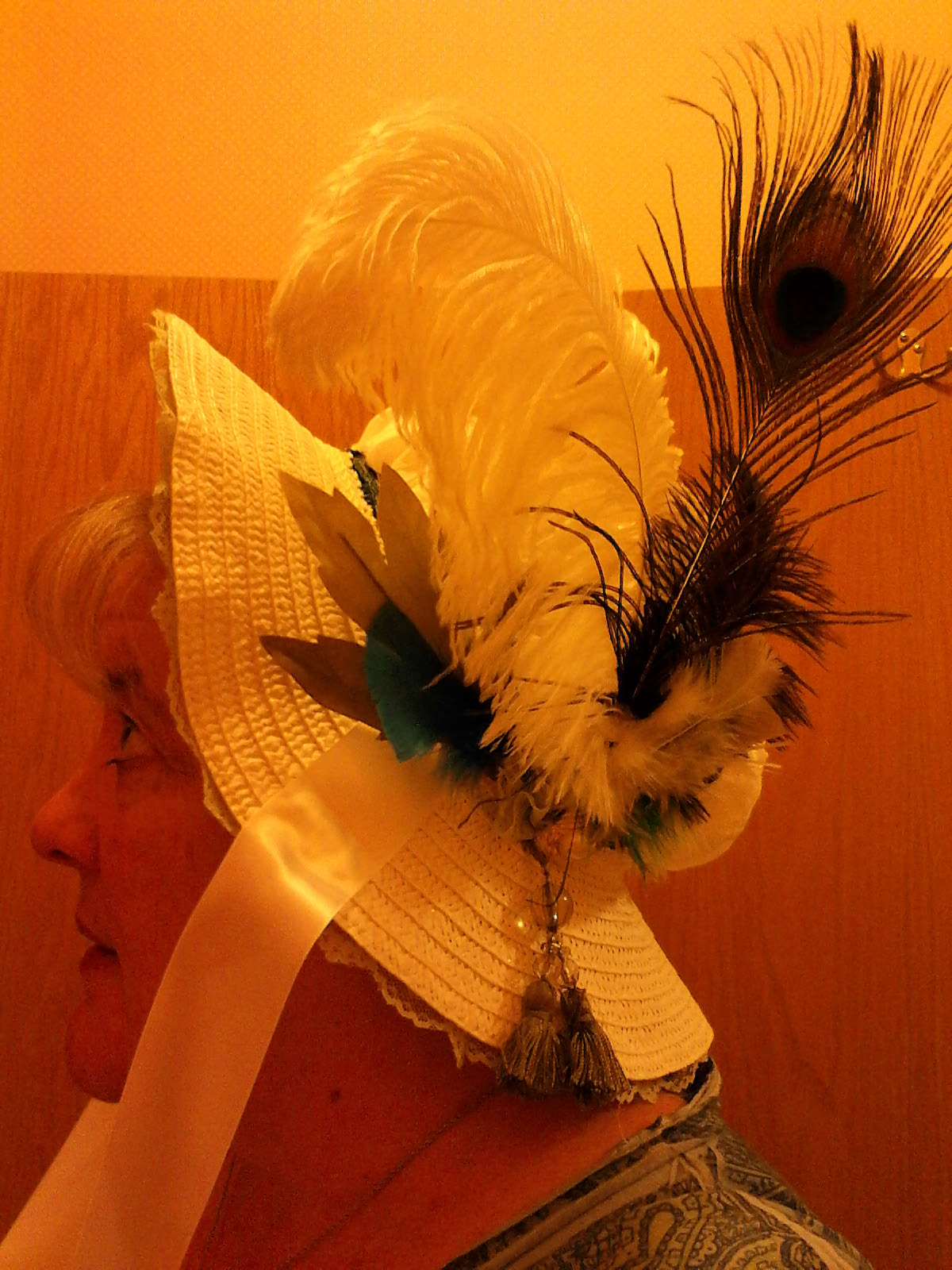
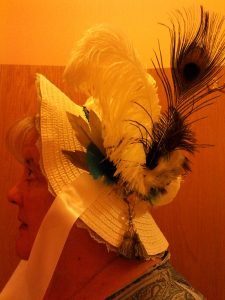 The first thing on my schedule for Thursday morning was a “Bonnet Workshop,” where I hoped to make something to wear the rest of the weekend as occasion required, since I hadn’t managed to fit my only other hat into my suitcase. Two hours and a gobs of hot glue later (not period-correct millinery technique, admittedly), I had something I was reasonably pleased with. What do you think? The rest of the day was filled informative sessions (Regency Magazines, The History of Tea, etc.) and meeting with friends over meals.
Friday was a big day, the highlight of the morning being the dance workshop class I’d been looking forward to for months: an hour and a half with a bunch of other clueless students under the instruction of a dance master, learning some of the “country dances” Jane Austen would have danced herself! Despite knowing nothing when I started, I flatter myself that I caught on pretty well, AND I had a marvelous time. Now I’m hooked, and I’d love to find a dance group near home so that I could continue, which might be possible. Far less likely, though, is that my husband will agree to go with me. That he would ever consent to dress in Regency costume for it? Impossible. *sigh* There goes that little fantasy. [For an exciting update on this fantasy fulfilled, see my 7/20/17 post!]
Friday afternoon, Plenary Speaker John Mulland gave a fascinating talk entitled “Speechless in Pride and Prejudice,” expounding on the significance of silences and silent characters in the novel. Did you know that there are two important characters in the book that never actually say a word (they have no lines of dialogue)? Read more here, Susan Mason-Milks’s post about the AGM at Austen Authors.
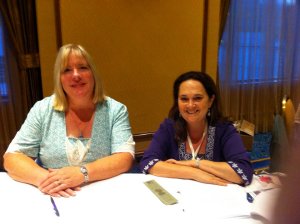
with Emily Auerbach at the Author Signing
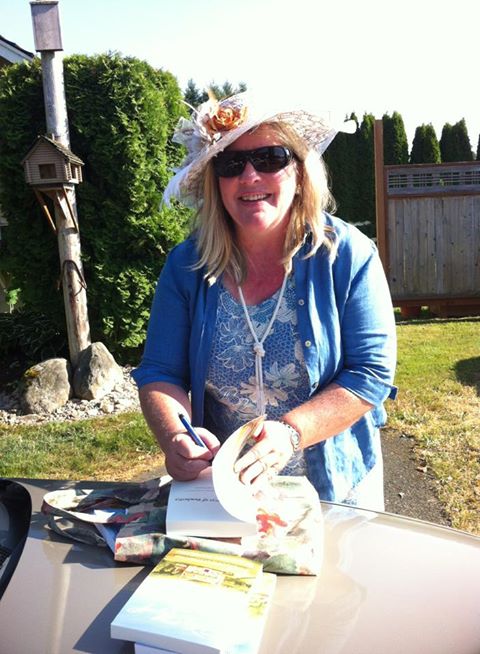
Later in the day, I participated in the “Author Signing” – an array of about 25 authors with published books (fiction and non-fiction) related in some way to Jane Austen. I got to sign a few books and postcards, to meet some of my lovely readers, and also visit with my fellow authors, including my tablemate – scholar, speaker, and author Emily Auerbach. During this session, I managed to snag a few authographs for myself as well.
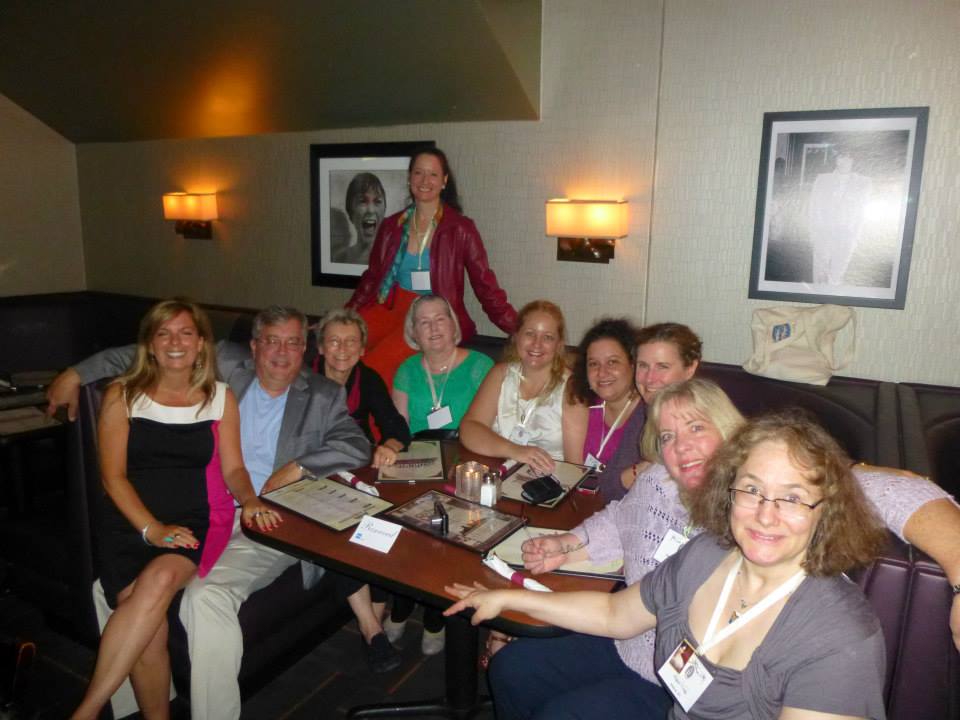
Another special event followed on Friday evening – a dinner gathering together in person an entire community of folks normally connected mostly via the internet: the present members of the Austen Authors group, along with bloggers, and other JA enthusiasts. There were about 30 of us, and we very noisily took over one entire end of an English pub style restaurant for a couple of hours. Who knew that Jane Austen fans could be so rowdy?

Austen Authors Karen Doornebos, Jack Caldwell, Susan Mason-Milks, Maria Grace, C. Allyn Pierson, Sharon Lathan, Marilyn Brant, Syrie James, me, and Abigail Reynolds

Marilyn Brant, Susan Mason-Milks, Shannon Winslow, C. Allyn Pierson, Syrie James, Sharon Lathan, Abigail Reynolds, and Maria Grace.
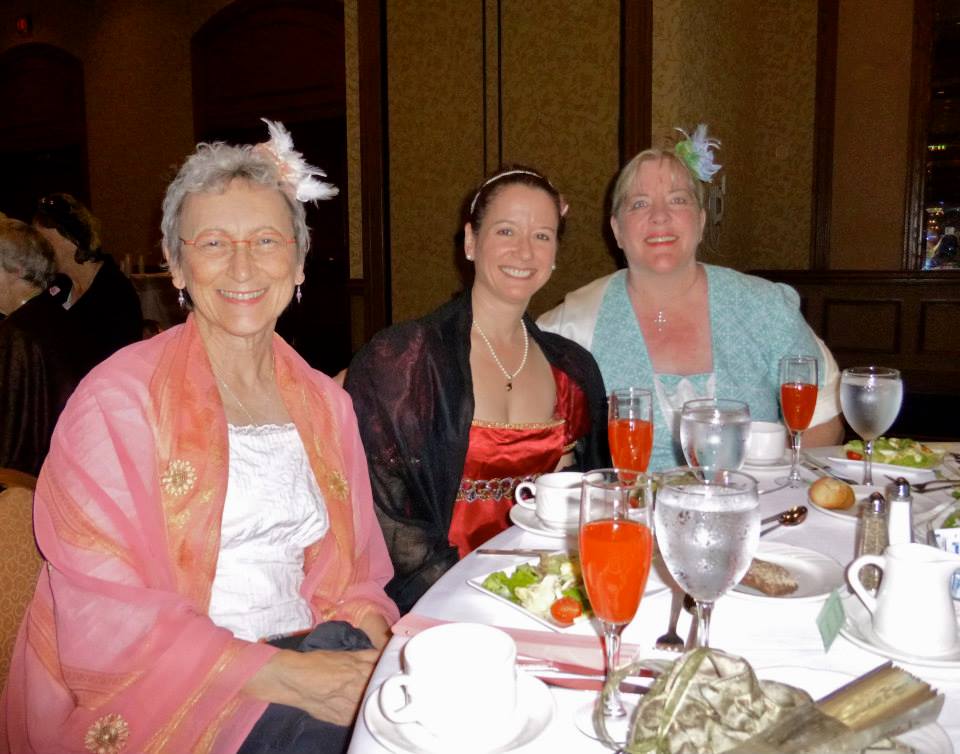
 More excellent and informative sessions followed on Saturday, leading up to the climactic events of the convention: the banquet, the promenade, and the Regency ball. This was the time to pull out all the stops and appear in your best period costume. I only had a “morning” dress to wear, not a proper ball gown. Where I fell a little short in the wardrobe category, however, I think I made up in enthusiasm. “I danced every dance!” as Lydia boasts in P&P’95. The only minor blight on the evening was the lack of enough gentlemen partners (we ladies outnumbered them at least 20 to 1!). But that didn’t slow us down. This style of dancing doesn’t require the typical male/female roles. So, yes, I danced with girls most the night… and had a wonderful time!
“Perhaps by and bye I may observe that private balls are much pleasanter than public ones.” (Lizzy to Darcy at the Netherfield ball, Pride and Prejudice)
Here’s a link to a video of the dancing. I’m in the semi-chaotic scene somewhere! http://www.youtube.com/watch?v=GK8LtFdsM9o&feature=youtu.
 By Sunday morning, things were winding down. But the final event on the schedule was well worth staying for. It was a brunch meeting featuring a presentation by a panel of three from the team who created The Lizzy Bennet Diaries – a vastly popular online modern-day adaptation of Pride and Prejudice, which was presented as a series of episodic video blogs. This wonderfully innovative and extremely well done series has no doubt captured an entirely new audience for Jane Austen. And it’s not just for the under 30 crowd. It’s for anybody looking for a fresh way to get your P&P fix. I came to the party late (the live series having already wrapped up), which was just as well, because once I got started, I couldn’t rest until I had seen all of it. You can still view it here, episode by episode or in marathon fashion like I did. 🙂
I’ve got one more bit of fun to tell you about before I finish this longer-than-usual post.

Lunch with Julie Klassen
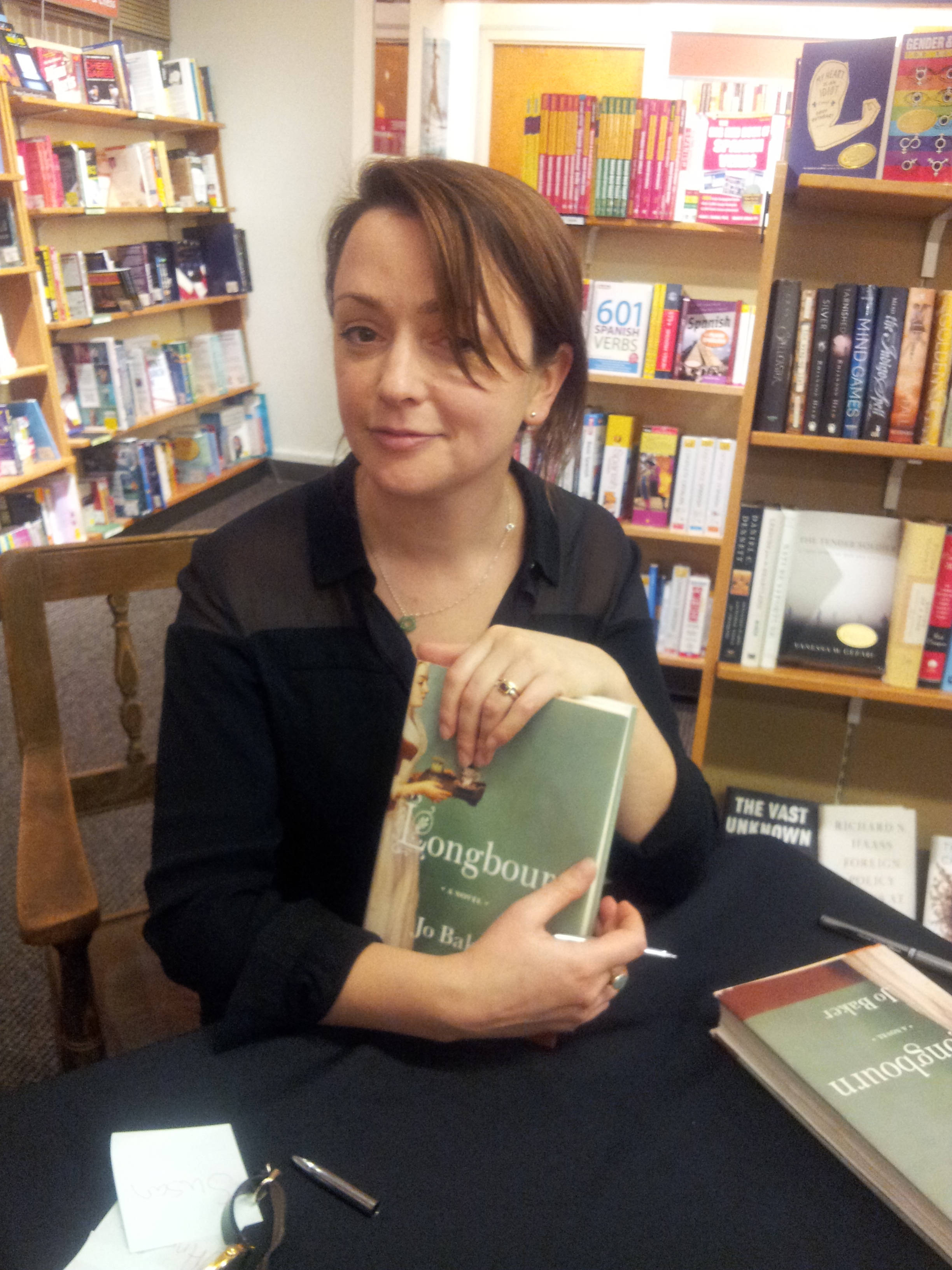
As I expected, the best part of going to the AGM was the chance to meet new people, as well a many I’d only known over the internet before – fellow Austenesque authors, other Janeites, and even a few of my fans! What I didn’t anticipate is that I’d also get to know a lovely author of whom I am a particular fan: Julie Klassen. I introduced myself to her at the author signing on Friday, and then we bumped into each other several times afterward. We even ended up as dance partners for a while at the ball and shared a late lunch (along with Abigail Reynolds) Sunday afternoon before I caught my plane home. Just the icing on the cake of an already-great weekend!
So there you have it – all the highlights from my experience at the AGM. It was well worth the trip, and I hope to go again. Next year’s event will be in Montreal. Will I see you there?

 ABC’s Nightline recently did a segment on “Jane Austen Super Fans.” In it, they compared Janeites to Trekkies, in that we likewise dress up in strange costumes, attend conventions, and practice rituals related to a world inhabited only by fictional beings. Some people took offense at this characterization; I did not. I think it just proves we know how to manufacture our own, harmless fun!
  Although much was made of the fact that we have turned Mr. Darcy into our personal sex symbol (and who could blame us?), the commentator did concede that we are more than simply crazed Colin Firth fans. He allowed that most Janeites are “intelligent career women,” even “modern-day Elizabeth Bennets.” This, quite naturally, is where I come in, for it is only fitting that as he says these very words I make my first appearance on screen, dancing at the JASNA AGM ball.
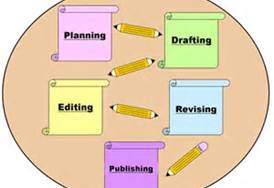
 NaNoWriMo! No, it’s not a national holiday, and you won’t find a Hallmark card for the occasion (at least I don’t think so).







 Be not alarmed, Madam, on receiving this letter, by the apprehension of its containing any repetition of those sentiments, or renewal of those offers, which were last night so disgusting to you. I write without any intention of paining you, or humbling myself, by dwelling on wishes, which, for the happiness of both cannot be too soon forgotten… You must pardon the freedom with which I demand your attention; your feelings, I know, will bestow it unwillingly, but I demand it of your justice…
 …You pierce my soul. I am half agony, half hope. Tell me not that I am too late, that such precious feelings are gone for ever. I offer myself to you again with a heart even more your own than when you almost broke it eight years and a half ago. Dare not say that man forgets sooner than woman, that his love has an earlier death. I have loved none but you. Unjust I may have been; weak and resentful I have been, but never inconstant…
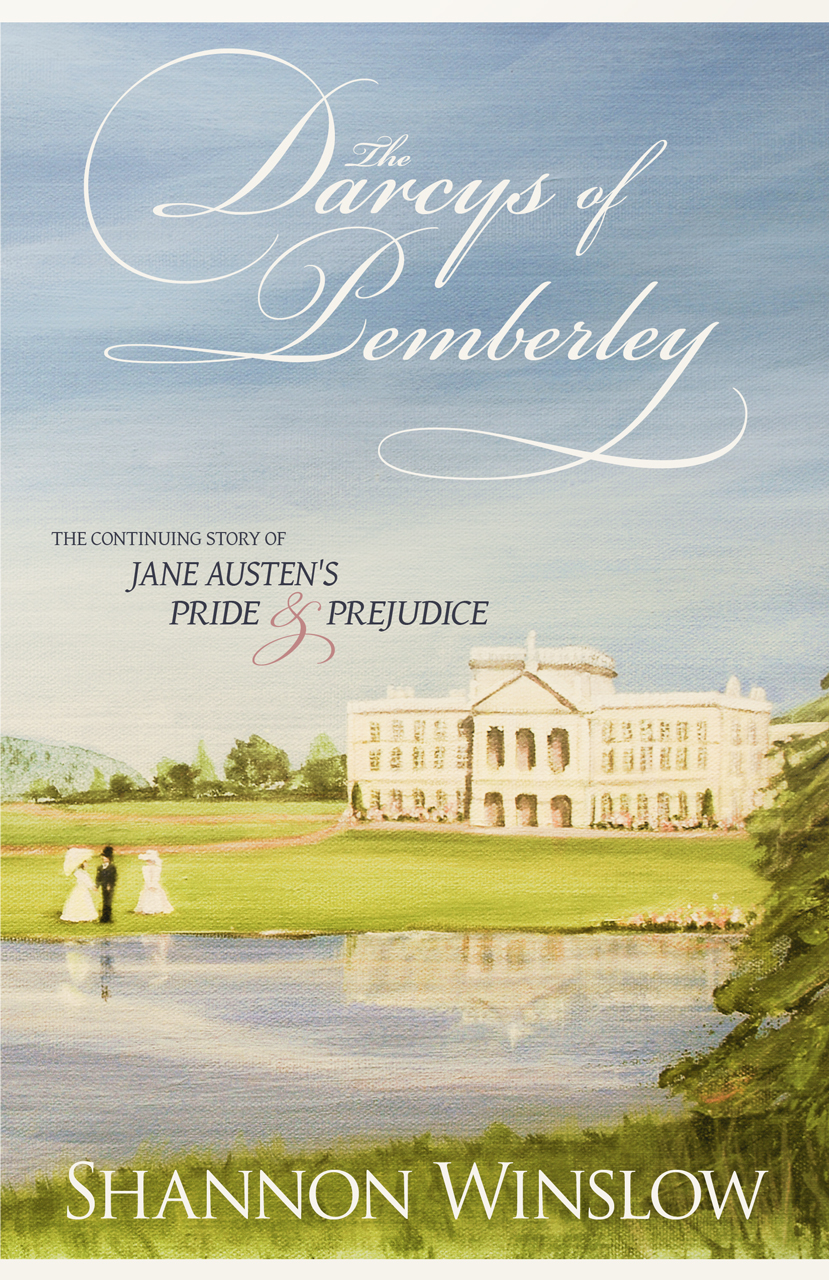 Allow me to offer my congratulations on the engagement of your daughter Anne… Much as you are looking forward to this addition to your family circle, Mrs. Darcy and I find that we are expecting an addition to ours by a different means. This blessing causes me to reflect on the importance of maintaining (and restoring when necessary) peace and unity within my extended family. I regret the disagreement that has broken that bond in our case.
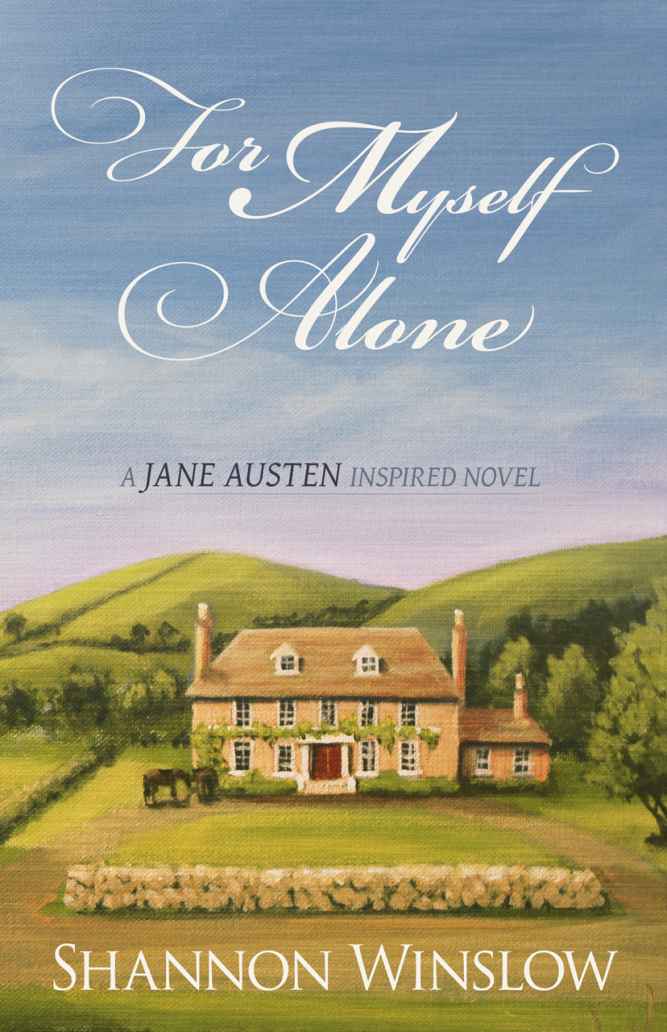







![Pageflex Persona [document: PRS0000037_00034]](https://shannonwinslow.com/wp-content/uploads/2014/07/the-persuasion-of-miss-jane-austen-cover_proof_09.jpg)

 Join me as I weave together my passion for writing and my love of all things Jane Austen. Please also look for me on Facebook.