Yay! I just finished my most recent book, which will probably be titled Miss Georgiana Darcy of Pemberley – a companion novel to The Darcys of Pemberley, this time written from Georgiana’s perspective. (Learn more about it in Work-in-Progress). There will of course be rewrites, editing, proofreading, cover design, and formatting before it’s published, but it feels good to have the story itself completed.
Since the whole point of this book was to give Georgiana’s view of events, I decided to write the book in first person, as if she were telling you the story herself. So there’s a whole lot of “me, myself, and I” in it.
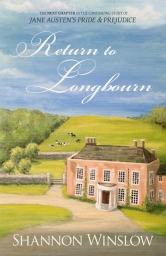
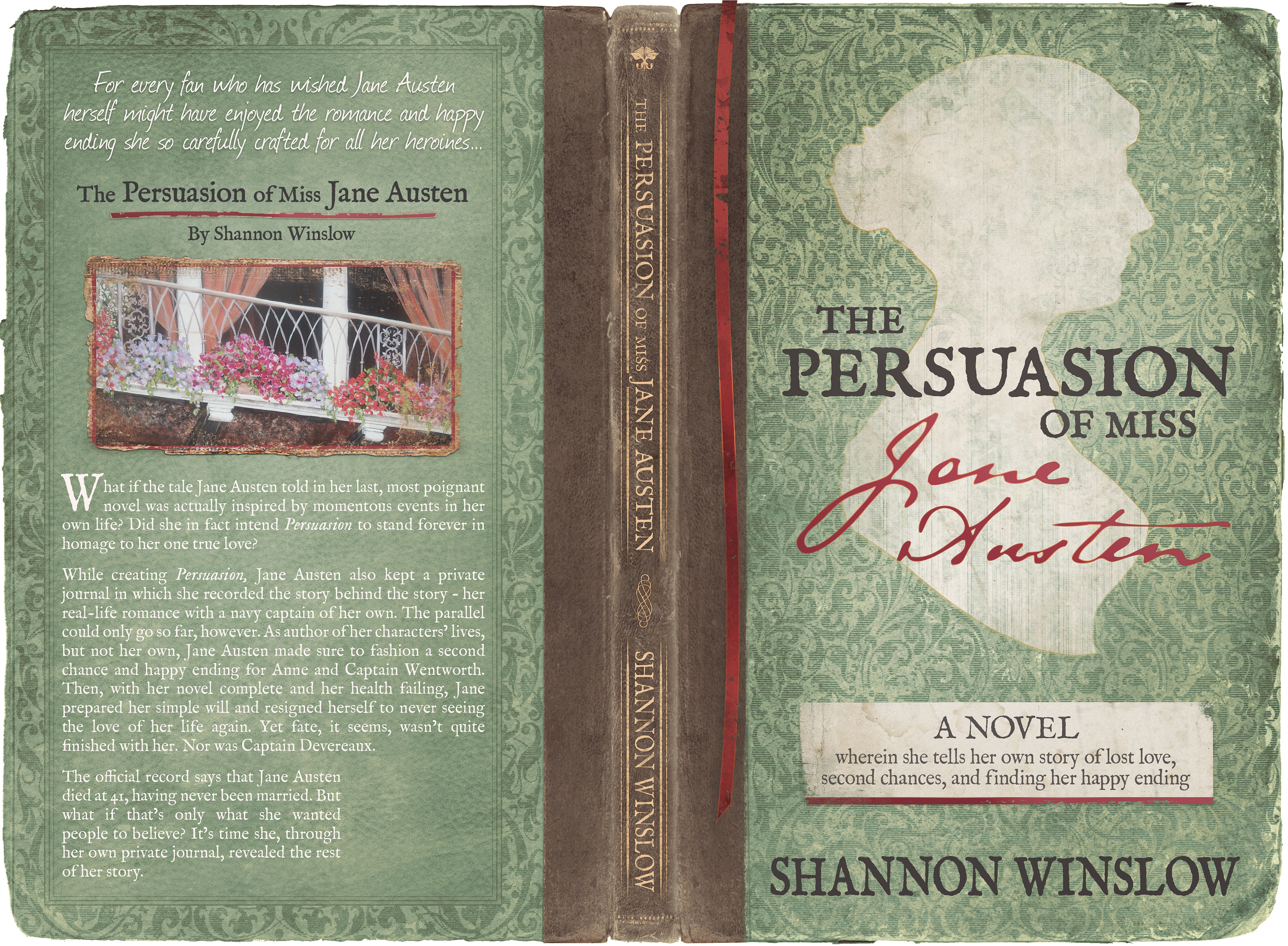
Writing novels in first person seems to come into and go out of fashion periodically. It was pretty much unheard of in Jane Austen’s day as far as I know, and her six novels are all written in third person omniscient point-of-view. So that’s what I used for my two P&P sequels (The Darcys of Pemberley, Return to Longbourn). But I tried the first person approach in For Myself Alone and I discovered I enjoyed it. Since then, I used it in The Persuasion of Miss Jane Austen as well as this latest book.
So what’s the advantage of writing/reading in first person? I think it allows you to feel closer to the hero/heroine because you’re basically living inside that character’s head throughout the entire story. You see what s/he sees, hear what s/he hears. You are privy to all his/her thoughts, internal debates, and emotions. Whatever s/he knows, you know.
The disadvantages are the flip side of the advantages I just mentioned. Because you are inside the heroine’s head, you can ONLY see what she sees, hear what she hears, experience what she experience, and nothing else. If something important happens elsewhere, you (the reader) don’t get to know about it unless/until the heroine of the book finds out. (Some writers get around this limitation by switching back and forth between two or more point-of-view characters, but that can be tricky too.)
It seems to me, though, that this is the most realistic way to present a story. Think about it. Every one of us experiences life in “first person.” We have no choice. We know only what we know. We’re clueless about what’s going on in somebody else’s head unless they choose to tell us, and even then the chance for miscommunication (or deliberate deception) is high. We have to stumble through life with incomplete information, often basing our actions on the way our minds fill in the blanks – what we’re guessing motivated another’s actions, what we assume someone meant by what they said, etc.
No wonder there are so many misunderstandings! Makes things tough in real life, but of such is good conflict in fiction made. Look at Darcy and Elizabeth:
“There is, I believe, in every disposition a tendency to some particular evil – a natural defect, which not even the best education can overcome.”
“And your defect is to hate everybody.”
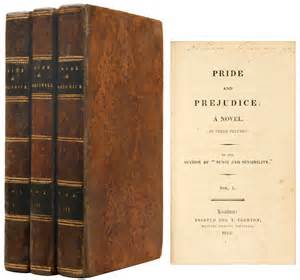
“And yours,” he replied with a smile, “is willfully to misunderstand them.” (Pride and Prejudice)

Their misunderstandings keep us going for nearly the full length of the novel. Why? Because Elizabeth can’t see inside Darcy’s head to know why he behaves as he does, says what he says. Good thing she’s kept in the dark too, or there would be no story.
As a reader, do you have a preference – first-person versus third-person stories? Why?





![Pageflex Persona [document: PRS0000037_00034]](https://shannonwinslow.com/wp-content/uploads/2014/07/the-persuasion-of-miss-jane-austen-cover_proof_09.jpg)








 Join me as I weave together my passion for writing and my love of all things Jane Austen. Please also look for me on Facebook.