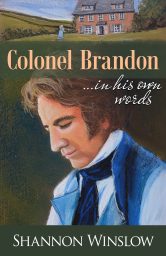
Elizabeth Remembers…

Jane Austen, Abigail ReynoldsA few weeks ago, I shared a post I wrote for the Austen Authors P&P200 project – a “real-time” review of Pride and Prejudice leading up to the book’s 200th anniversary of publication. The idea is to augment the book with scenes that are implied but not written in the original novel, or to retell existing scenes from a different point of view.

Here’s my next assignment: Elizabeth thinks about Darcy and reviews his letter again. This is supposed to take place shortly before she goes to Derbyshire with her aunt and uncle Gardiner. I based what I wrote on this short excerpt. The rest is my imagination. Read it here in its entirety, or at Austen Authors. Hope you enjoy it!

With the mention of Derbyshire, there were many ideas connected. It was impossible for her to see the word without thinking of Pemberley and its owner. “But surely,” said she, “I may enter his county with impunity, and rob it of a few petrified spars without his perceiving me.”  (Pride and Prejudice, chapter 42)


Elizabeth Bennet:

Derbyshire. That one word brought it all flooding back to my mind, all that I had so studiously endeavored to put from it. My heart had been set on seeing The Lakes, but my aunt’s letter two weeks ago not only put an end to that thrilling expectation, but replaced it with something like apprehension at the thought of diverting to Derbyshire instead. Even now, I am tormented by the idea.

 I cannot think of Derbyshire without unhappy associations rising up in my mind. No doubt it is grand country, full of beauties that are not to be missed. But to me it can only ever mean one thing; I will be entering the county wherein resides the owner of Pemberley, a man I had fervently hoped never to meet with again in the whole course of my life. And I know he must feel the same. For proof of it, I have only to refer again to his letter.

Why I have kept it, I cannot rightly say. It is not normally in my nature to dwell on unpleasantness. But in this case, I make an exception. My culpability in the debacle with Mr. Darcy is something I dare not forget entirely, lest I should ever behave so badly again. How despicably I acted! How dreadfully I misjudged him! His written words at last taught me to properly know myself, and I have resolved to revisit them occasionally as a sort of penance.

 Pulling the letter from its hiding place, I peruse its pages once more. The truth of his explanations concerning the two charges I so vehemently laid at his door, I have long since ceased to question. I need not read those sections again; I know them by heart.

 Mr. Darcy’s interference with Jane and Mr. Bingley is something I continue to lament most grievously for my sister’s sake, although I can no longer bring myself to hate him for it. There was no malice in the case, only an error in judgment – a failing to which I proved similarly susceptible in the other matter. When I think what he and his sister suffered at the hands of Mr. Wickham, I believe I better understand some portion of his actions in Hertfordshire, some grounds for his distrustful reserve.   

 Although his careful explanations are most material in exonerating his character, it is always the beginning and the end of Mr. Darcy’s letter that cut me to the quick. That is where my conscience seeks to punish me, for that is where the man himself and how I have injured him are most clearly revealed.

 Be not alarmed, Madam, on receiving this letter, by the apprehension of its containing any repetition of those sentiments, or renewal of those offers, which were last night so disgusting to you. I write without any intention of paining you, or humbling myself, by dwelling on wishes, which, for the happiness of both, cannot be too soon forgotten…

 And then at the end…


 …If your abhorrence of me should make my assertions valueless, you cannot be prevented by the same cause from confiding in my cousin; and that there may be the possibility of consulting him, I shall endeavour to find some opportunity of putting this letter in your hands in the course of the morning. I will only add, God bless you.

 Fitzwilliam Darcy

Oh, how these words have tortured me! If I still believed him to be a man without feeling, I could laugh at my own blindness well enough. Yet here is evidence that he has a heart after all, one capable of caring deeply… and being just as deeply wounded. Even should he one day find the charity to forgive how I have insulted him, I shall never forgive myself. But neither can I be content to wallow forever in self recriminations. I was not formed for unhappiness.

No, the only safe solution is that I never see Mr. Darcy again. He may get on with his life, well rid of me, and I will get on with mine, a little better for having known him. So there’s an end to it. Now, if only I can tour Derbyshire without him crossing my path…

(letter excerpts from Pride and Prejudice, chapter 35)

Posted in Austen Authors, Jane Austen, Jane Austen Quotes, P&P200, Shannon Winslow's writing, Uncategorized | Tagged , , , , , , , | Leave a comment

A Three-Hour Tour

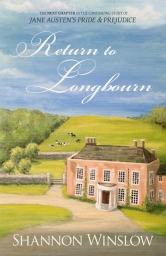
With my lighter summer schedule, I’ve finally made some significant headway on my current work-in-progress. Return to Longbourn is the sequel to the sequel to Pride and Prejudice. In other words, it follows The Darcys of Pemberley

One of the scenes I wrote yesterday has Mary Bennet stuck for 3 hours alone in a carriage with Mr. Darcy. A dream come true? Not for Mary. Darcy’s married to her sister, remember. Plus he’s not the easiest person to talk to, especially for someone as socially awkward as Mary. She draws upon her recent experience with a similar guy – Mr. Farnsworth, the current master of Netherfield Hall, where she is governess. Here’s an excerpt: 

Her longstanding acquaintance with Mr. Farnsworth should have somewhat prepared her for confinement with Mr. Darcy. The two men were not unlike in some ways – the same powerful presence, the brooding and taciturn tendencies. Yet with Mr. Farnsworth, Mary had the children in common. They were the starting point for nearly all their conversations. What did she have in common with Mr. Darcy? Only Elizabeth and an appreciation for books and music. She supposed those topics would have to serve.

As Mary puzzled over how to begin, Mr. Darcy opened the conversation himself. Five minutes down the road, he said, “This seems a very fine carriage. Your employer must be a gentleman of considerable means. Do you find him a just and principled man as well?”

Mary was taken aback by this inquiry and nearly as surprised by her own response. “I… I’m not sure I have ever seriously considered the question. But I believe he is. He may rant like a despot, and we sometimes argue over what is best for the children, yet Mr. Farnsworth has never been anything other than honorable and scrupulously fair to me personally. Beyond that, I cannot say.”

“That speaks well of him. The true measure of a man is not taken by how he treats his peers and betters, but in how he deals with those over whom he holds unconditional power – his wife, his children, his tenants, those in his service and employ. If he treats them fairly when he has no one but his own conscience to answer to, then he is honorable indeed. Outsiders do not know what goes on in another man’s house, but his servants do. Therefore, it is their approbation that is most worth the earning. What praise is more valuable than the praise of an intelligent servant? I should much prefer it to the commendation of a lord.”

“Truly? That is very well said, sir.”

Mary was struck not only by the admirable nature of his sentiment but by its length. She could not recall ever hearing her brother-in-law speak so many words together before. He seemed to have exhausted his full supply at this, however, for not another did Mr. Darcy utter for a good half hour.


Only two and a half hours to go. What will they talk about the rest of the way? I’ll admit, Mary and I are stumped. Any ideas?

“He is the best landlord, and the best master that ever lived. Not like the wild young men now-a-days, who think of nothing but themselves. There is not one of his tenants or servants but what will give him a good name.”  (Mrs. Reynolds about Mr. Darcy, Pride and Prejudice, chapter 43)

Posted in Jane Austen, Jane Austen Quotes, my books, Shannon Winslow's writing, Uncategorized | Tagged , , , , , | Leave a comment

Mr. Collins Lives

As most of you know, I did my best to rid the world of the specter of Mr. Collins long ago. I documented his death in The Darcys of Pemberley and expanded on the story in Mr. Collins’s Last Supper. But guess what? He’s back – alive and well and carving out a good living for himself as a TV talk show host. I recently had the surreal experience of being interviewed by him for his show Meet the Author. He’s the one who’s in for a shock, though.

The interview was originally published on Barbara Tiller Cole’s blog Darcyholic Diversions. But it’s now reproduced in full below. Read it either place.

~~~~~~~~~~~~~~~~~~~~~~~~~~~~~~~~~~~~~~~~~~~~

William Collins, celebrated TV talk show host, speaks with today’s guest: author Shannon Winslow

Stage Director: And we’re live in five, four, three…..

(The applause sign lights, and Mr. Collins, sitting opposite his guest in a matching swivel arm chair, smiles benevolently as he waits for the ovation of the studio audience to die down)

Collins: Good morning, Ms. Winslow, and thank you for joining me here on Meet the Author.

Winslow: My pleasure, Mr. Collins. But I suppose I should call you Sir William and congratulate you on your recent elevation to the knighthood.

(Another smattering of applause)

Collins: I thank you, madam, but there is no need to stand on ceremony here. Although I have been so fortunate as to attain a measure of greatness – not without the assistance of a series of noble patrons, I might add – I do not forget my humble origins as a country parson.

Winslow: Nevertheless, I’m sure this latest honor is well deserved.

Collins:  I flatter myself that it is, for my ‘unique contribution to the literary world and decades of faithful service to the crown.’ I believe that was the exact wording. You may read the entire transcript at your leisure, Ms. Winslow. My assistant will supply you a copy.

Winslow: That’s very kind, but no one needs to remind me of your contribution to the literary world. Your character is legendary and has proven extremely valuable to my own modest literary efforts.

Collins: Then I am gratified, as indeed I always am, to have been of some small service. Now, I regret to confess, Ms. Winslow, that with all the demands on my time, I have not as yet read any of your work. However, I am told that you have a new book out. Have I been rightly informed?

Winslow: You have indeed! My second novel, For Myself Alone, was recently released, and I’m excited about the excellent reviews it’s received.

Collins: That is all very well, but what I wish to know is this. Am I in the book?

Winslow: Not exactly. You see, although For Myself Alone is ‘Jane Austen inspired,’ it’s an independent story with all new characters. I imagined what her next book might have been, and that’s what I wrote. Then I slipped in lines from her novels here and there just for fun. But you’ll be glad to know that one of those quotations is yours, Mr. Collins.

Collins: Excellent!

Winslow: “You can hardly doubt the purport of my discourse. My attentions have been too marked to be mistaken.” From the proposal scene, remember?

Collins: How could I forget? More immortal words have rarely been spoken, and they should rightly have carried the day. But I digress. Tell me about your first novel. What is it called again? I’m told it is quite successful, but the name escapes me. There is, after all, so much quality literature available at present that although I spend hours a day studying in my book room, which fronts the road by the way, I cannot possibly keep up.

Winslow: Perfectly understandable. My first book is The Darcys of Pemberley, a sequel to Pride and Prejudice. It came out last August and is doing very well, both in England and America, I’m happy to say. Of course, all of us would have loved the original author to write the continuing story. But, as she was unavailable, I did my best to stand in her place, to be true to her characters and style. I only hope I have done her justice.

Collins: Doubtless Miss Austen would be flattered that you hold her in such high regard. Now, back to me. I believe you said before the show that I play an important role in this novel.

Winslow: Oh, yes! A crucial role. I can’t imagine how I would have managed without you, Mr. Collins. In fact, you were the first person I thought of when I sat down to write. It came to me out of the blue that the story simply must begin with you. And then I later expanded the scene into a successful short story.

Collins: Well, I must say I am impressed with your obvious taste and flawless literary instincts, Ms. Winslow, for knowing at once where – and with whom – to start. And I trust my character features prominently right through the book to the last scene. In which case it occurs to me that you might have chosen the title with more circumspection – The Clergyman of Hunsford, perhaps – for The Darcys of Pemberley implies that the center of attention will be Mr. Darcy, my cousin Elizabeth, and their local society. You would not wish to lead your readers astray, would you?

Winslow: Oh, dear! Didn’t anyone tell you?

Collins: Tell me what, pray?

Winslow: That the novel is mostly about Darcy, Elizabeth, and their closest friends. I’m sorry to disappoint you, Mr. Collins, but your character’s moment in the sun, while glorious, is unfortunately rather brief. In fact, he has the great misfortune to die at the very outset of the story.

(The audience gasps and Mr. Collins blanches alarmingly, his mouth gaping open in silent horror)

Stage Director: Cut! Go to commercial!

“You can hardly doubt the purport of my discourse, however your natural delicacy may lead you to dissemble; my attentions have been to marked to be mistaken.”  (Mr. Collins to Elizabeth Bennet, Pride and Prejudice, chapter 19)
Posted in Jane Austen, Jane Austen Quotes, my books, Shannon Winslow's writing | Tagged , , , , , , | Leave a comment

“The Look”

See the source image

If you are as big a fan of the 1995 BBC film adaptation of Pride and Prejudice as I am, you probably know which scene I’m thinking of when I talk about “the look.” It takes place when Elizabeth comes to Pemberley the second time, when her eyes meet and lock with Darcy’s across the music room, as Georgiana plays at the pianoforte. In that moment, volumes of non-verbal communication fly between the two, saying that they finally understand each other, forgive all past offences, and acknowledge what is now their mutual love and admiration. Wonderful!

While [Elizabeth] spoke, an involuntary glance shewed her Darcy with an heightened complexion, earnestly looking at her, and his sister overcome with confusion and unable to lift up her eyes…  The very circumstance which had been designed to turn his thoughts from Elizabeth, seemed to have fixed them on her more, and more cheerfully. (Pride and Prejudice, chapter 45)

See the source image

This is as close as that comparable scene in the book comes. The first part depicts reaction to Miss Bingley’s malicious allusions to Wickham (whom she doesn’t actually mention by name) and the Bennet family’s partiality to him. The second part reflects Darcy’s approval of how deftly Elizabeth handles the situation, sparing his sister more pain. So it’s reasonable, from the fact that his thoughts were fixed on Elizabeth, to extrapolate that his eyes were also. That’s probably the source of ”the look” shown in the film.

I love that scene so much that each time I watch the movie, which I do every few months, I always have to rewind and watch that part twice. Anybody else? Maybe it’s because as Colin Firth gazes adoringly at Jennifer Ehle (or into the camera), it almost seems like he’s looking at me. And I find myself exhaling contentedly, along with him, in perfect cadence with the music Georgiana is playing. Have you noticed that they match up? I’m sure it’s no accident – very effective.

I’m currently working on Return to Longbourn, the next installment of my P&P saga. Although Darcy and Elizabeth have supporting roles in this book (rather than the leads, as in The Darcys of Pemberley), they do have a moment toward the beginning that hearkens back to “the look.” See what you think. We’ve now jumped ahead about 7 years from when Pride and Prejudice leaves off.

Mary drew her sister aside. “I regret that my obligations have left us with so little time to talk whilst you were here,” she said. “I trust your children are well and strong.”

“I thank you, yes!” said Elizabeth, her countenance noticeably brightening. “They are, all three of them, fine, healthy boys,” Elizabeth continued. “Bennet, who was five in October, is quite the apple of his father’s eye. And it is much the same with Edward and James. You see, Mary, I live in a household of men, and I must make the best of it. Fortunately, I would as soon sit atop a horse these days as any other place, so I shall stand some chance of keeping up with them as they grow older.” She turned her address to her husband, who had that moment entered the parlor. “There is nothing – or almost nothing – like the thrill of a good ride. Is not that your opinion as well, Mr. Darcy?”

“So I believe I have said on more than one occasion, my dear. Now, if you will make your good-byes, we can be on our way.”

A lingering look passed between the two, and Elizabeth reached up to briefly rest a hand against the side of her husband’s face. Then, seeming to remember herself, she withdrew it again, embraced her sister, and said farewell.

Mary watched them go from the porch, conscious for the first time of a twinge of envy surfacing from somewhere deep within her soul. Never had she craved great wealth and its comfortable trappings; these things did not tempt her to covet her sister’s situation. No, it was that stolen glimpse of tenderness she had seen upon Mr. Darcy’s face when his usual mask of reserve dropped for a moment as he regarded his wife. What must it be like to be looked at in such a way by such a man? Mary could not help but wonder. She could only suppose that it was a thing very much to be prized.

I don’t think it’s just Mary. What woman wouldn’t give her all “to be looked at in such a way by such a man?”  *sigh*

Posted in Austen Authors, Jane Austen, Jane Austen Quotes, movies, my books, Shannon Winslow's writing | Tagged , , , , , , , | 4 Comments

Thinking of Venice

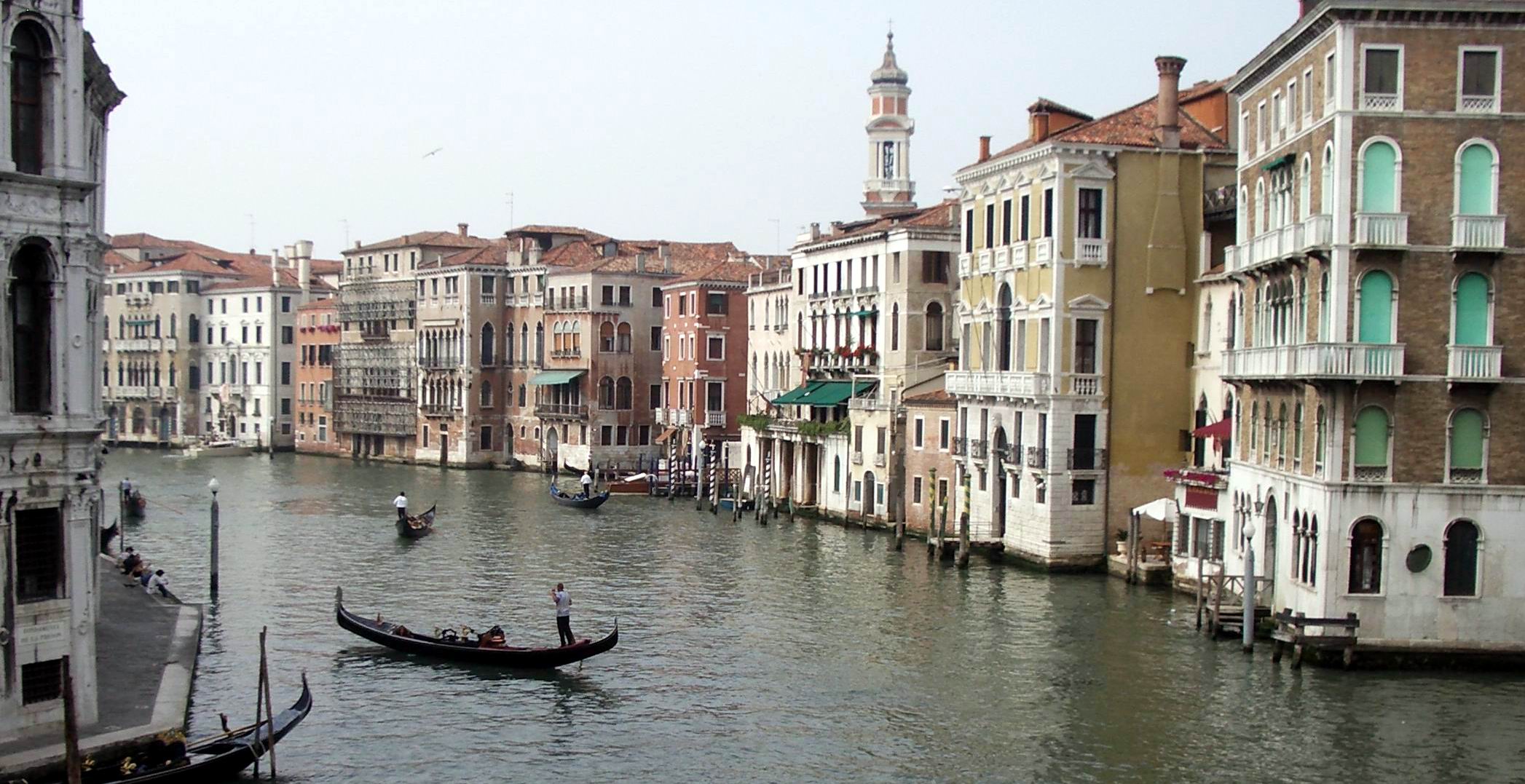
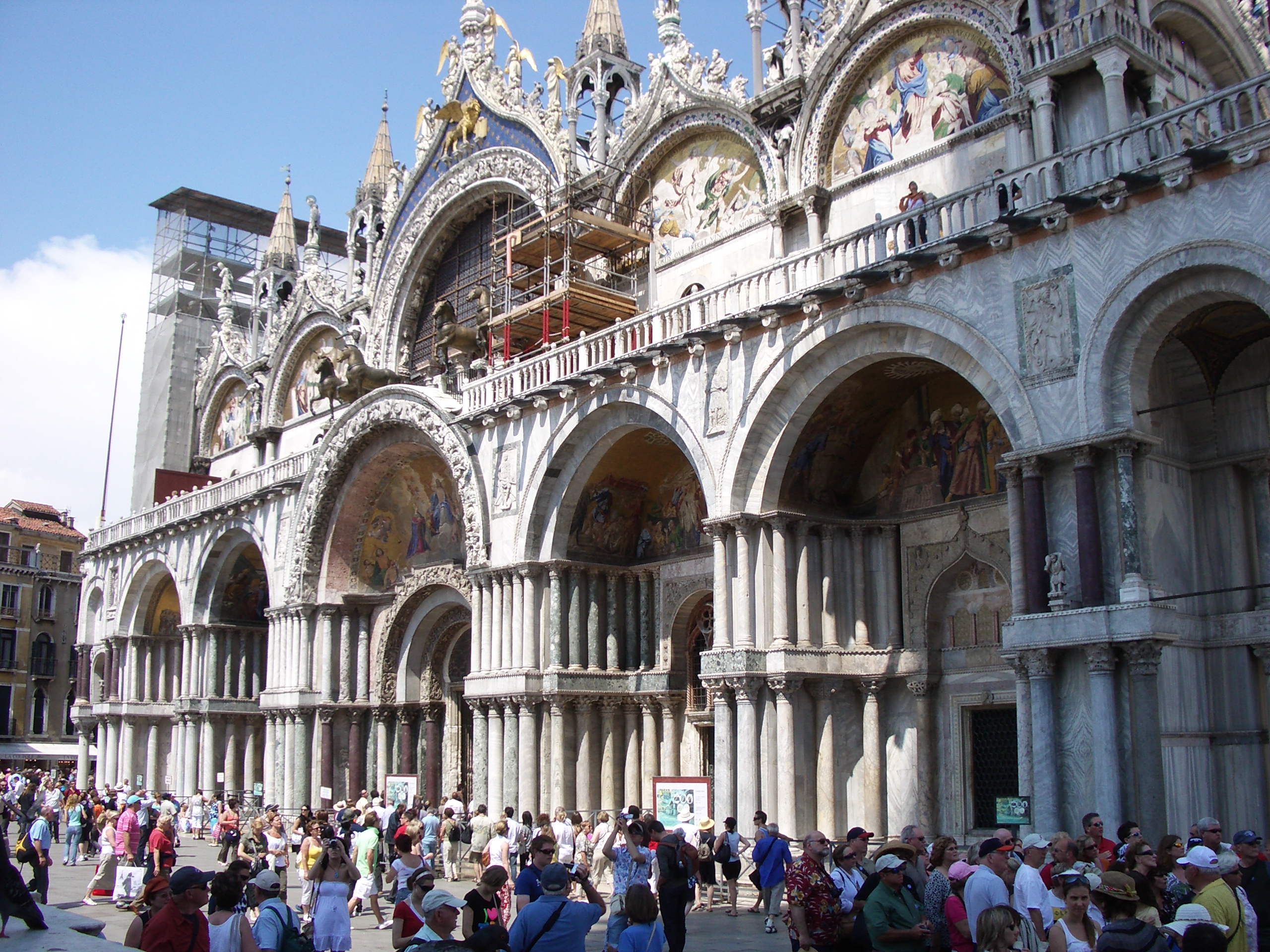
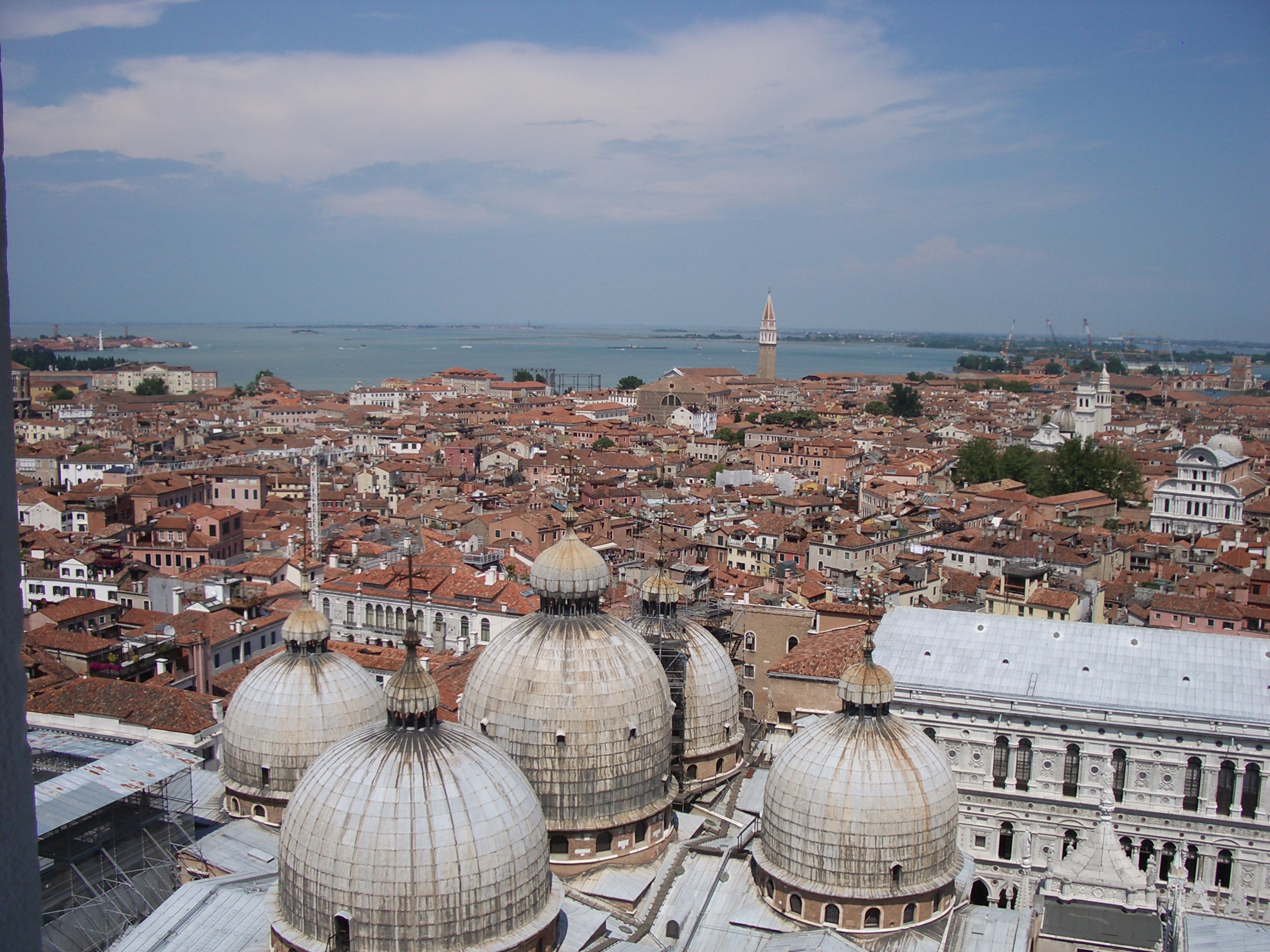
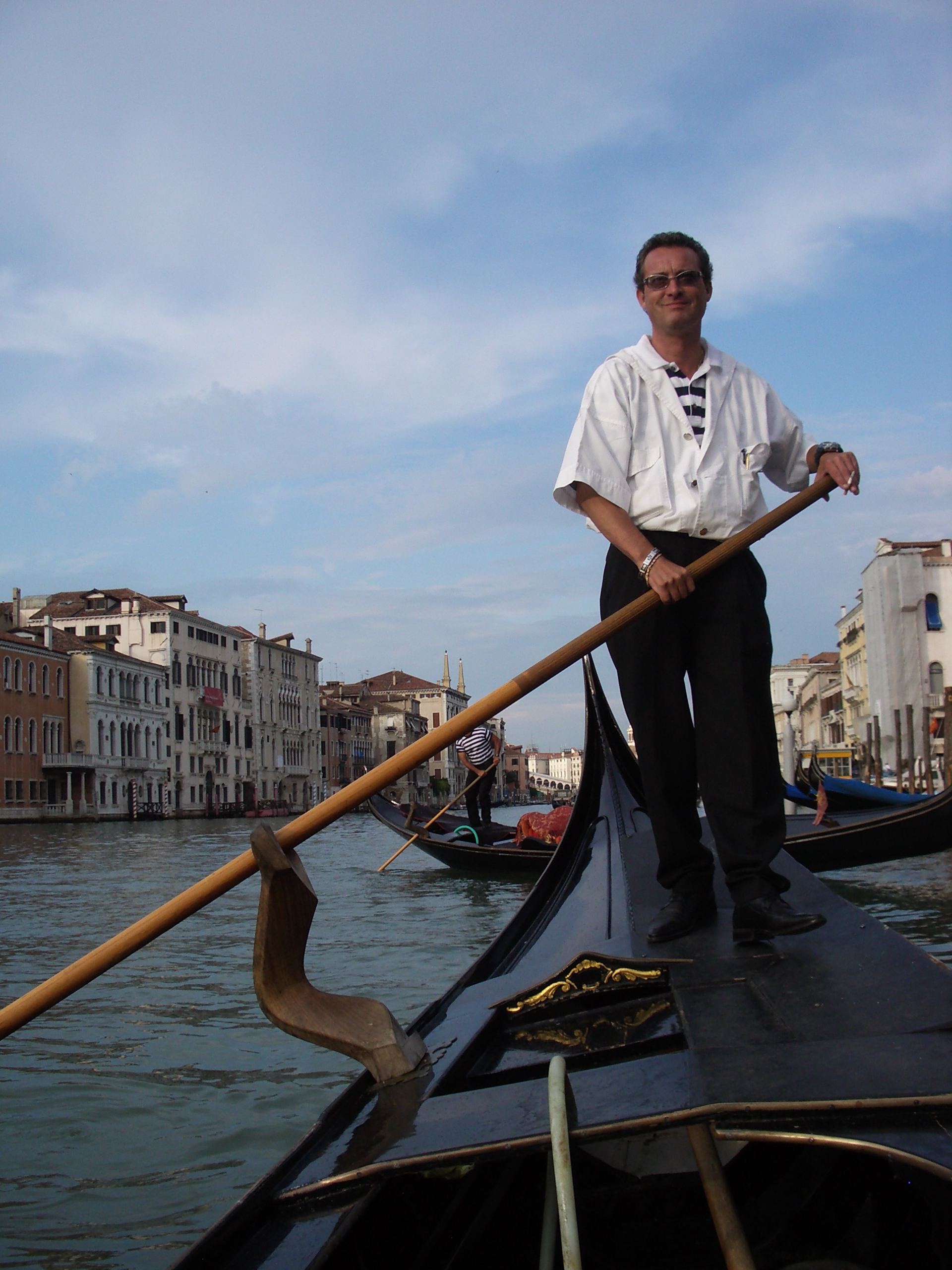
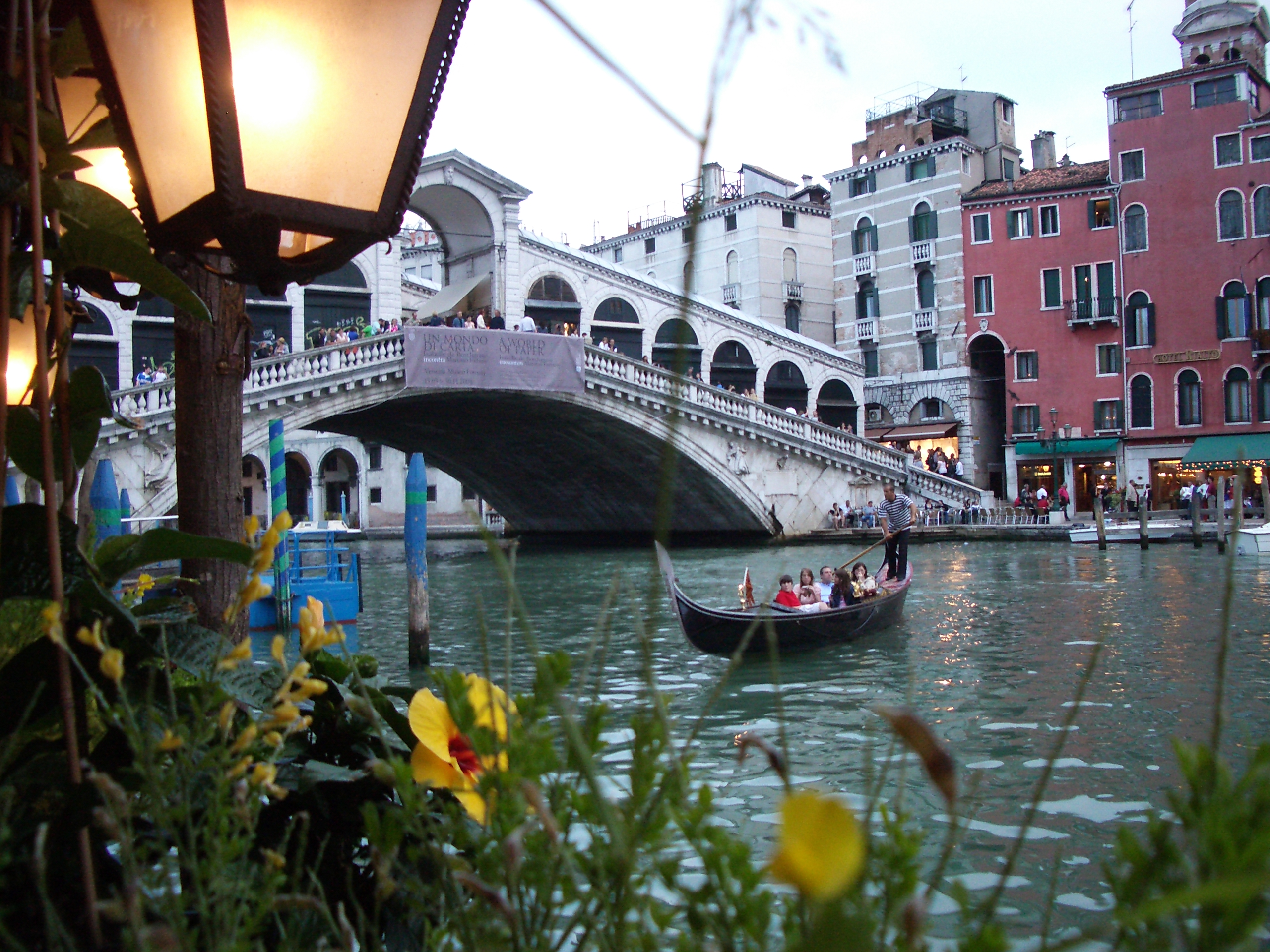
I was just thinking about the fact that four years ago today I was strolling around Venice. My husband was sent there on business, but for me it was strictly vacation – 9 days with nothing to do but explore a city that’s like no other place on earth. World-class art museums, pokey little alleys, guilded palazzos, incredible cathedrals, and of course canals everywhere – grand and otherwise. I don’t get a chance to travel all that much, so I’m still living off the afterglow of that trip.

You might be surprised to learn that there’s a Jane Austen connection to Venice too. It’s mentioned in Emma, in reference to looking at some pictures during the excursion to Donwell to eat strawberries:

Jane had not been gone a quarter of an hour, and they had only accomplished some view of St. Mark’s Place, Venice, when Frank Churchill entered the room.  (Emma, chapter 42)

Thinking of what was then our recent trip, I managed to work a larger reference to Venice into the story as I was writing For Myself Alone. The heroine’s brother Tom, who has a special interest in architecture, takes the grand tour on the continent, and sends a letter home:

“It is a place of rare enchanment, quite apart from the everday world. It is not only the famous canals that distinguish Venice, but the unique style of the buildings. Here one can clearly discern the blended influences of eastern and western cultures. This place is an architect’s paradise. My sketch book is filling rapidly; at every turn, I find a prospect worth preserving on paper.”

Tom includes a few sketches in the letter to illustrate his comments, and I’ll include a few photos to illustrate mine. Hope you enjoy them, and I hope you have a chance to visit Venice yourself someday. It’s a truly magical place.

(Since then, I used Venice briefly again as a setting in The Persuasion of Miss Jane Austen: La Comtesse de la Fontaine basked in the sun’s afternoon rays with eyes closed, listening to the varied music of daily life and commerce afloat on the Grand Canal twenty feet below. Venice, for all its antiquity, remained as novel to her as the day she arrived months before, following her marriage to the count…)

[top to bottom: the Grand Canal, Basilica San Marco, view from campanile San Marco, gondolier, Rialto bridge] The header photo on this site is also from Venice – a balcony overlooking the Grand Canal.

Posted in Jane Austen, Jane Austen Quotes, my books, Shannon Winslow's writing, travel, Venice, writing | Tagged , , , , , | 1 Comment

Writing a Book is Like Building a House

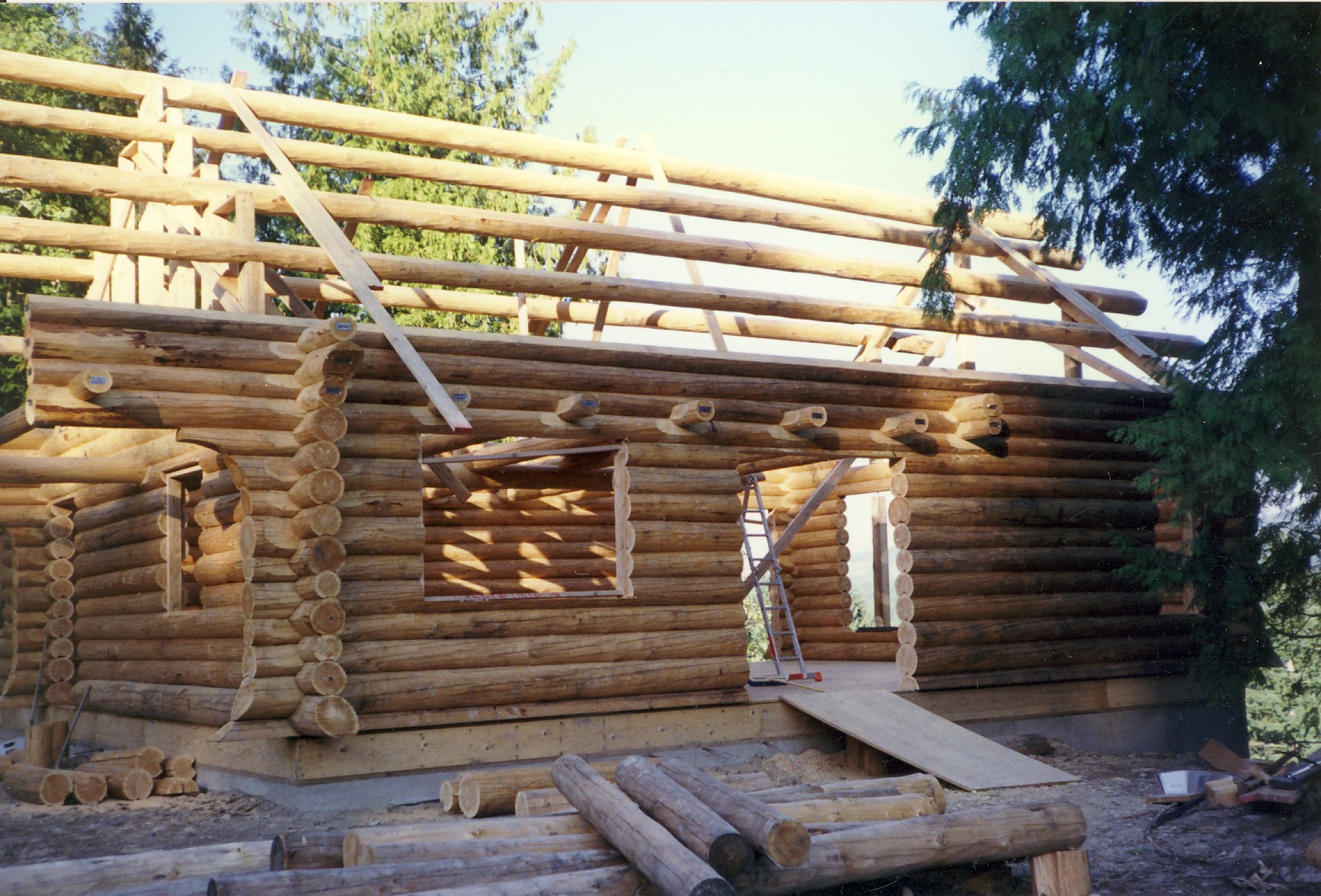
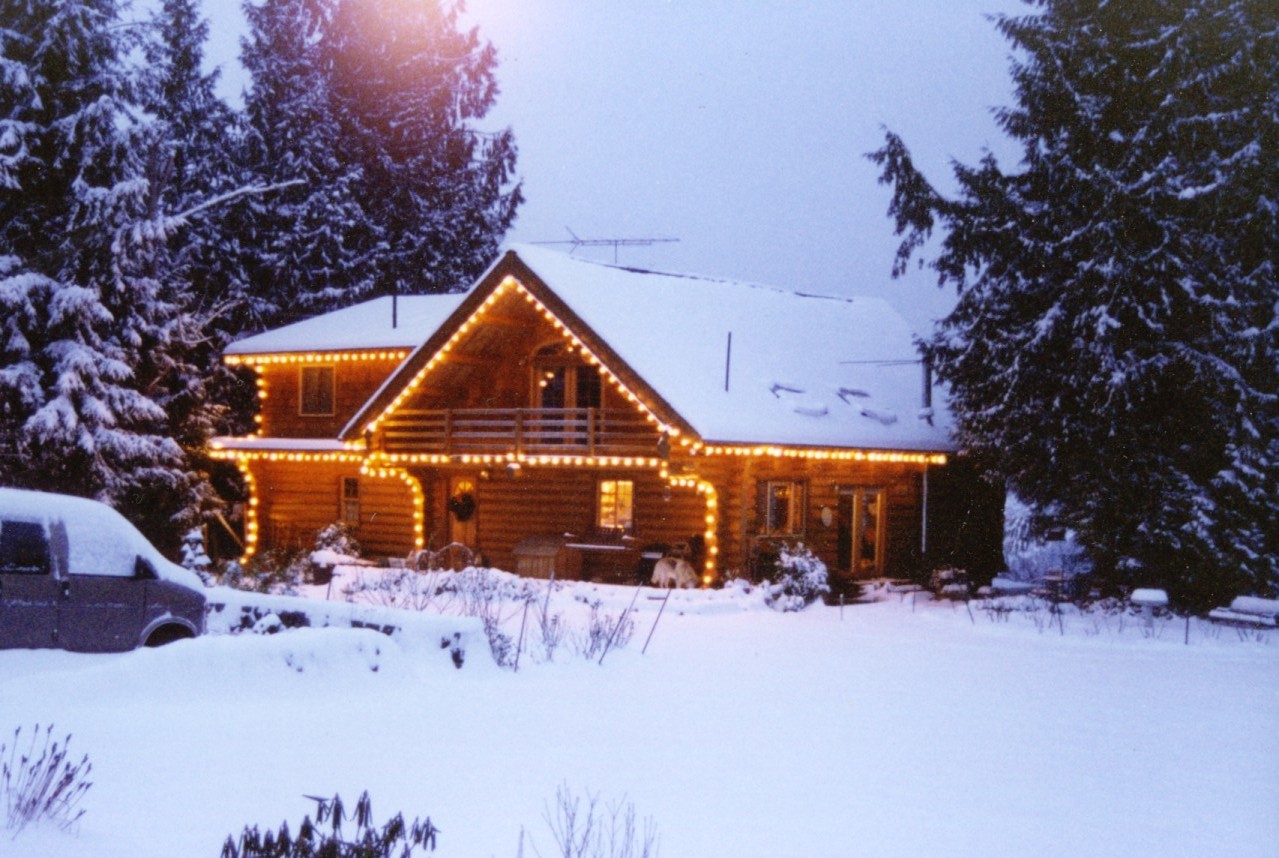
When I began writing my first novel, I didn’t tell anybody what I was up to. I hesitated to talk about it before I was sure I could finish what I’d started. But when I finally did let the cat out of the bag, I got comments like, “That’s so cool! I/my husband/my daughter/etc. always wanted to write a book.” It’s sort of like when people find out that my husband and I live in a custom-built log house. “Oh! That’s something we’ve always dreamed about doing!”

Questions often follow. People are curious about the process, and we’re happy to share what we’ve learned by hard-earned experience. First piece of wisdom: don’t imagine it will be easy. Nothing is easy about building a log house – plumbing, wiring, installing windows or kitchen cabinets. Nothing is straight, level, square or immovable. And a chainsaw is often required for modifications. It will be twice as much work as you think, and probably cost twice as much as a the same house in regular construction. It’s definitely not for the faint of heart or budget.

Writing and independently publishing a book is way cheaper, but possibly just as much work. If you plan to attempt it, here’s my advice:

1) Hone your craft. Take classes. Attend writer’s conferences. No amount of self-promotion will make up for a product of poor quality.

2) Don’t rush to publish. A first draft is just that. Allow time for your masterpiece to mature through feedback and considered rewrites.

3) Find and join a good critique group. These valuable people will see the plot holes and writing flaws that you can’t.

4) Know your limitations. Taking a book from inception to publication requires a variety of separate skills (writing, story and line editing, formatting, graphic arts, marketing, etc.), and no one is an expert at everything. So,

5) be willing to ask for (and pay for) assistance as needed.

6) Network with other writers through writer’s associations and social media. You’ll probably find, as I have, that they’re incredibly helpful and supportive.

As I reviewed this list, I realized these steps also neatly applied to how my husband and I went about building our house. We planned for years, taking time to learn about the unique craft of constructing a log home, finding experts to advise us, and talking to other homeowners who had done the same thing before. Then we decided which parts of the project we could do ourselves, and hired others to do the rest when the time came. It was a huge undertaking, but a successful one.

Our log “cabin” (as people tend to call it) is now 20 years old and will most likely still be standing long after we are gone. I hope the same is true for my books, that they will stand the test of time as well – still around and being enjoyed decades from now.

“Improve this dear cottage! No. That I will never consent to. Not a stone must be added to its wall, not an inch to its size… To me it is faultless. Nay, more, I consider it as the only form of building in which happiness is attainable, and were I rich enough I would instantly pull Combe down, and build it up again in the exact plan of this cottage.” (Willoughby, Sense and Sensibility, chapter 14)

Posted in Jane Austen, Jane Austen Quotes, Shannon Winslow's writing, Uncategorized, writing | Tagged , , , , , | 2 Comments

What Was Wickham Thinking?

Mr. Wickham was the happy man towards whom almost every female eye was turned, and Elizabeth was the happy woman by whom he finally seated himself. (Pride and Prejudice, chapter 16)

See the source imagePride and Prejudice, the best known and probably best loved of Jane Austen’s novels, was published in January of 1813. That’s almost 200 years ago now! To commemorate the upcoming anniversary, Austen Authors has a running project called P&P200 (for obvious reasons), which expands in “real time” on events in the original novel. In other words, stuff that happens in the book in February, May, or October will be explored in February, May, and October of this year. A P&P200 post might depict a “missing scenes” (something alluded to, but not shown in the original), or possibly an existing scene told from a different character’s viewpoint.

Pride and Prejudice is written mostly in Elizabeth Bennet’s point of view. But wouldn’t it be interesting to know what’s going on in the heads of some of the other characters? especially the villains? That’s what my P&P200 assignment was today – to write a familiar scene from chapter 41 using an unfamiliar perspective:

Mr. Wickham is a smooth operator who’s used to talking his way out of tight spots and charming the ladies with equal dexterity. When Elizabeth returns from Hunsford, however, she’s on to him. Her eyes have been opened by Darcy’s letter, and she knows the truth. But Wickham doesn’t know she knows. We’ve seen this situation from Lizzy’s perspective. Now let’s find out… What Was Wickham Thinking?


He was by no means discouraged. Mary King may have slipped through his fingers, but what did it matter? There were plenty more fish in the sea. And after all, it would have been selling himself pretty cheap to settle for a freckled face with only ten thousand pounds. He could – he would! – do better in the end for being rid of her.

In the meantime, it might be entertaining to renew his flirtation with the intriguing Elizabeth Bennet. He’d had the girl fairly eating out of his hand before she went to Kent and, with any luck, absence had made that naïve young heart grow even fonder of him.

Marrying Miss Bennet was still out of the question, but bedding her was not. In fact, it would be just the thing to cheer him. A little flattery, a few of his boyish smiles, charm skillfully and liberally applied, and she would be his. The juicy peach was ripe for the picking, and who was better equipped to do it properly?

Such were George Wickham’s contemplations upon learning that Elizabeth Bennet had returned to the neighborhood. But a fortnight later, after having been frequently in company together, precious little headway had he made with her despite all his varied and strenuous exertions.

Mr. Wickham was now to see Elizabeth for perhaps the final time. On the very last day of the regiment’s remaining in Meryton, he dined with the others of the officers at Longbourn. Although he had nearly given up on the idea of an actual conquest (the time for that sort of thing running perilously short), he fully intended that Elizabeth should be excessively sorry to see him go all the same. And once he was away, she would no doubt repine, sorely regretting having held him at arm’s length.

See the source imageAfter dinner, Mr. Wickham adeptly drew her aside and launched his closing campaign to win her over. By way of striking on a new topic – one which he hoped would cast him in a favorably light – he remarked, “You have become quite the traveler, Miss Bennet – now bound for the lake country and only just returned from Kent. Did your time pass agreeably in Hunsford?”

“Yes, it was very pleasant indeed to be reunited with my dear friend Charlotte.”

“And Mr. Collins too?” He grinned conspiratorially. “I am thinking that after a few days the proportions and conversation of the parsonage must have proved… a little confining, shall we say?” Surely, he thought, she could not help but appreciate the contrast with their own lively banter over the course of their acquaintance.

“Not at all, sir, since we were rarely restricted to the parsonage. I am happy to report that we enjoyed a very frequent intercourse with the inhabitants of Rosings Park whilst I was there – a blessing of which very few could boast.”

Wickham looked at Elizabeth quizzically. “Forgive me, but I would hardly have expected you to find Lady Catherine’s conversation to your taste.”

“Oh, but I do not refer to Lady Catherine alone. Did I not tell you that Mr. Darcy and Colonel Fitzwilliam were visiting there as well?”

Momentarily taken aback, Wickham recovered his composure soon enough. “No, I don’t believe you mentioned that fact.”

“Are you much acquainted with the colonel, Mr. Wickham?” Elizabeth continued with a glint in her eye. “I suppose you must have seen him very often at Pemberley as you were all growing up together.”

“Quite true,” he admitted, although he did not like the turn the conversation had taken… or the amused look on Miss Bennet’s face. Could she possibly know something, he wondered. But then, with a moment’s recollection and a returning smile, he replied, “I have not seen much of him in recent years, as you might well imagine. However I believe him to be a very gentlmanly man. How did you like him?”

“Very much indeed! In fact, I believe I have rarely met with a man that I liked better, or whose sound judgment I could depend upon so completely. I found him to be kind, generous, and entirely trustworthy. He was designated Miss Georgiana Darcy’s guardian, you know, and I think there can be no finer testimony to Colonel Fitzwilliam’s character than that.”

Wickham noticed that the room had suddenly grown overly warm. He could feel sweat beginning to bead on his forehead, and the collar of his military jacket drew curiously tighter and tighter round his throat. Affecting an air of indifference he asked, “How long did you say that he was at Rosings?”

Her spirited report quite alarmed him. It sounded as if Miss Bennet had spent the better part of three weeks in the man’s company, talking in depth about all manner of subjects. How near their conversations might have come to his own private concerns, Wickham could only guess. Elizabeth’s way of speaking seemed intentionally designed to torment him with uncertainty, to leave him dangling on tenterhooks. Had she really learned all his secrets? He shuddered at the thought.

When Elizabeth’s animated narrative moved on to Mr. Darcy and her improved opinion of him, Wickham’s uneasiness only increased. There was a something in her countenance which made him listen with an apprehensive and anxious attention.

How he answered her, Wickham hardly knew. Although deeply shaken, his self-command and polished manners did not desert him. He covered his embarrassment as well as he might and carried on, ending with an undeniably handsome speech:

“You, Miss Bennet, who so well know my feelings towards Mr. Darcy, will readily comprehend how sincerely I must rejoice that he is wise enough to assume even the appearance of what is right. His pride, in that direction, may be of service, if not to himself, to many others, for it must deter him from such foul misconduct as I have suffered by.”

He was careful that the last words were accompanied by an appropriately sorrowful bearing and the slightest quavering of his voice. Yet these tried and true tactics proved singularly ineffectual on this occasion. Wickham could see at once that he had failed to excite the lady’s sympathies over his longstanding grievances, as he had so effortlessly done in the past.

Clearly, Elizabeth had changed… towards himself anyway, and those she saw at Hunsford had the blame for it. That he should have lost the devotion of this prized pearl was something he could learn to live with. Knowing his defeat had apparently come at the hands of his old nemesis was quite another thing.

Wickham waited, but Elizabeth made no answer to his invitation to indulge in what had formerly been their favorite topic. Instead, by the curl of her lip and the way she tilted her head to one side, she seemed to be mocking him.

He excused himself from her presence at once and made no further attempt to distinguish her that night. The means to even the score might one day come his way. If so, he surely would not pass them by. Until such time, however, he very much hoped never to see Elizabeth Bennet’s face again.


Posted in Austen Authors, Jane Austen, Jane Austen Quotes, Shannon Winslow's writing, Uncategorized | Tagged , , , , , , , , | 2 Comments

Debut on Austen Authors

A couple of weeks ago, I announced that I had been Adopted by a lovely group of Autenesque fiction writers called Austen Authors. They (we) all take turns blogging on the website, and today is MY first turn. It’s my chance to introduce myself, tell how I met Jane Austen, what I write and why. Start reading here, and then follow the link to get the rest of the story:


I’m thrilled to be making my debut here on Austen Authors! When I was invited to join the group, I felt like I had sort of ‘arrived’ after a long journey, the first leg of which was (believe it or not) a trip to Costco. That’s where I met Jane Austen.

Before that fateful shopping trip about ten years ago, I hadn’t read any of her novels. Shocking, I know. I didn’t even watch period movies. Then, purely on impulse (or maybe it was Colin Firth’s pretty face), I picked up the 1995 film adaptation of Pride and Prejudice. Thus began my obsession. Loved the movie. Read the book. Read and reread all Jane Austen’s novels. Bought every film version I could get my hands on, watching them repeatedly to the point where I now have whole scenes committed to memory.

But still I wanted more Jane Austen! Don’t we all?

Eventually, I discovered a Pride and Prejudice continuation at the bookstore. I was ecstatic! There was nothing I wanted more than to spend additional time in the world of the Darcys and the Bennets. It turned out, though, that the book I found wasn’t at all the sort of sequel I had envisioned. “This is not the way Jane would have done it!” I declared self-righteously. So I decided to write one myself… (continue here)

Was it new… for chance and circumstances to direct the human fate?  (Emma, chapter 11)

Posted in Austen Authors, Jane Austen, Jane Austen Quotes, Shannon Winslow's writing, writing | Tagged , , , , , , , | 2 Comments

Redeeming Mary Bennet

If you’ve been keeping up, you know that my current work-in-progress (Return to Longbourn) continues the Pride and Prejudice saga with a story centering on Mary, Kitty, and the new heir to the Longbourn estate. Jane Austen doesn’t paint Mary Bennet in a very favorable light.

Mary, who having, in consequence of being the only plain one in the family, worked hard for knowledge and accomplishment…  Mary had neither genius nor taste; and though vanity had given her application, it had given her likewise a pedantic air and conceited manner…  They found Mary, as usual, deep in the study..and had some extracts to admire, and some new observations of threadbare morality to listen to.

Despite all this, I have a soft spot in my heart for Mary, and so I set out to redeem her. She makes excellent progress in The Darcys of Pemberley. Compare how I describe her in the Prologue versus the final chapter:

Mary attempts to compensate for the misfortune of being plain by developing her mind and displaying her accomplishments, to no great advantage thus far.

Mary…had blossomed in the time since her siblings left Longbourn… Thus, well seasoned by time, practice, and renewed dedication, she made great strides toward the standard of the truly accomplished young woman she had always aspired to be.

But in Return to Longbourn, we start to learn what really makes her tick:

The tide of grief had already threatened to overpower Mary more than once. Yet she dared not give in to it. Outward expression of emotion was both foreign and frightening to her, so long had she practiced the art of stoicism. That philosophy had served her well in the past, enabling her to endure the disappointment of every one of her sisters being favored, complimented, courted, and three married ahead of her. Now, however, its strictures allowed her neither vent for her own sorrows nor protection from the false presumption of others that she had none….

Once again, Mary felt herself the odd one out, accepted by all but the particular friend of none. It came as no surprise; it was always thus. Although she made no doubt her sisters loved her even as she loved each of them, their true commonality ran little further than their blood lines. None of the others shared her thirst for intellectual and musical accomplishment, and neither could she enter in to their pursuits, her younger sisters’ so trivial and the elders’ now so thoroughly domestic. As for the men, they were something of an enigma to her, like another species altogether – vastly intriguing but far too exotic to trust oneself to completely.

I’m liking Mary better already. How about you? Even Elizabeth has noticed the change in her sister.

“I cannot agree with you about Mary, Mama. I think she is much improved in her looks this last year or two, and it sometimes happens that a woman is handsomer at twenty-nine than she was ten years before. Furthermore, her manner has been softened by the passage of time. She is now not so quick to judge or forever moralizing as she used to do.”

Mary is a certified late bloomer, and she still has a long way to go. But I think we should give her the benefit of the doubt. What do you say? She may turn out a credible heroine in the end.

Posted in Jane Austen, Jane Austen Quotes, my books, Shannon Winslow's writing, Uncategorized | Tagged , , , , , , , | 7 Comments

Rave (and Rotten) Reviews

The reviews are in! Well, some of them anyway. Although I’d already received some lovely reader feedback on the new book (at Amazon, Goodreads, and in person), this week For Myself Alone got its first two professional notices: four- and five-out-of-five-stars! Phrases like “well-paced,”  “wit and vivacity,”  “laughed out loud,” and “a definite Austen flair” were bandied about.

I know what you’re thinking. You’re thinking it’s gone right to my head. But let me enjoy the moment…please. Allow me to bask in the praise for just a bit. I’ve worked very hard for it. And besides, I’ve been through this before; I know it’s only a matter of time before the critics swoop in with razor-sharp comments to burst my bubble. At least that’s what happened last time.

When I released The Darcys of Pemberley last August, I was thrilled with the overwhelmingly positive reviews I received… and shocked by the few vehemently negative ones. Not that I expected everyone in the world to like my book. What people enjoy reading is a matter of personal taste, and I don’t like all books either. What I didn’t expect, however, was that my mild-mannered little book would inspire any such strong, almost violent, reactions.

And I still don’t understand it, to be honest. But I’ve learned that putting up with rotten reviews is part of the game (and even Jane Austen had her detractors). So, I will take time to enjoy the terrific ones, if you please. If you’d like to see them too, read here and here.

She was invested, indeed, with the office of judge and critic, and earnestly desired to exercise it and tell them all their faults; but from doing so every feeling within her shrank – she could not, should not, dared not attempt it. Had she been otherwise qualified for criticism, her conscience must have restrained her from venturing at disapprobation.  (Fanny, Mansfield Park, chapter 18)

Posted in Austen Authors, Jane Austen, Jane Austen Quotes, my books, Shannon Winslow's writing, Uncategorized | Tagged , , , , , , , | 7 Comments