
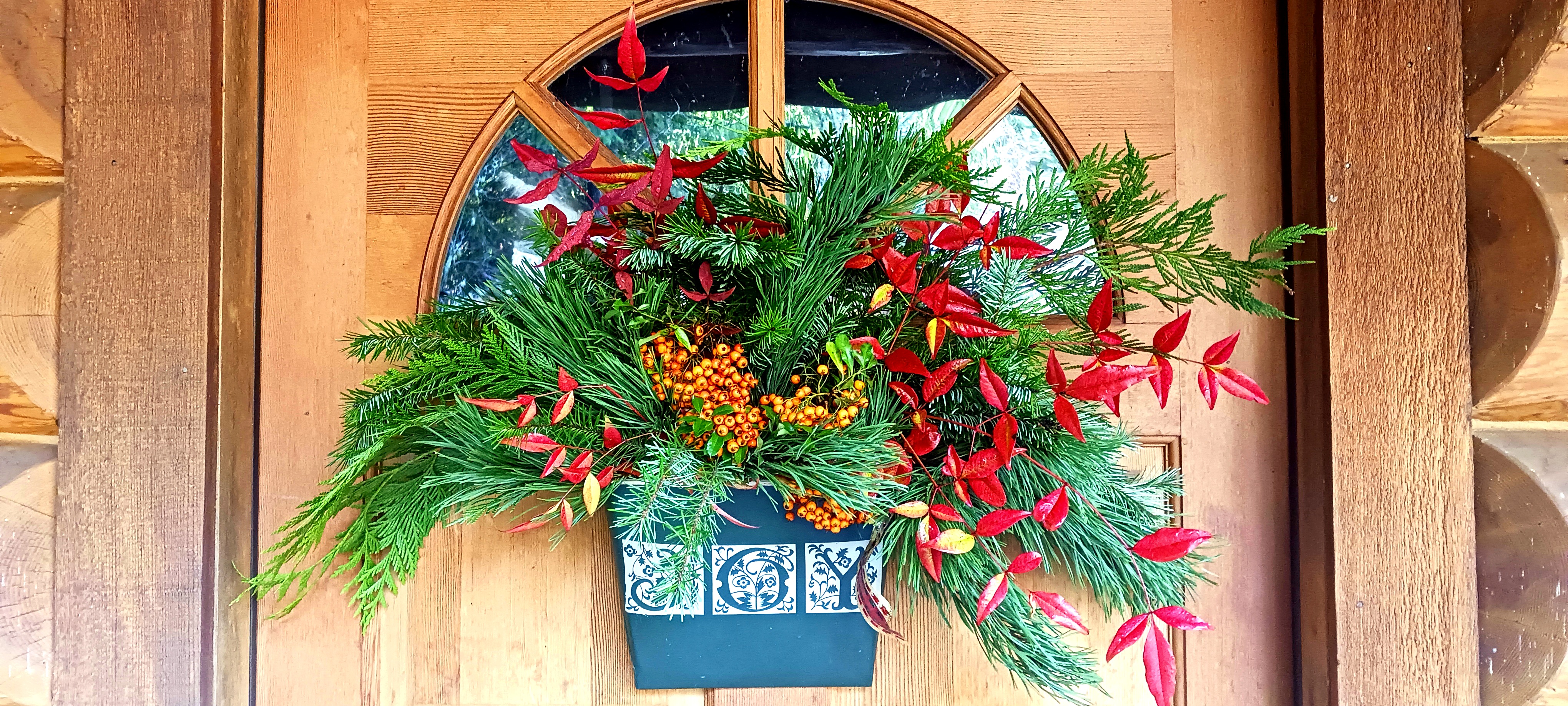
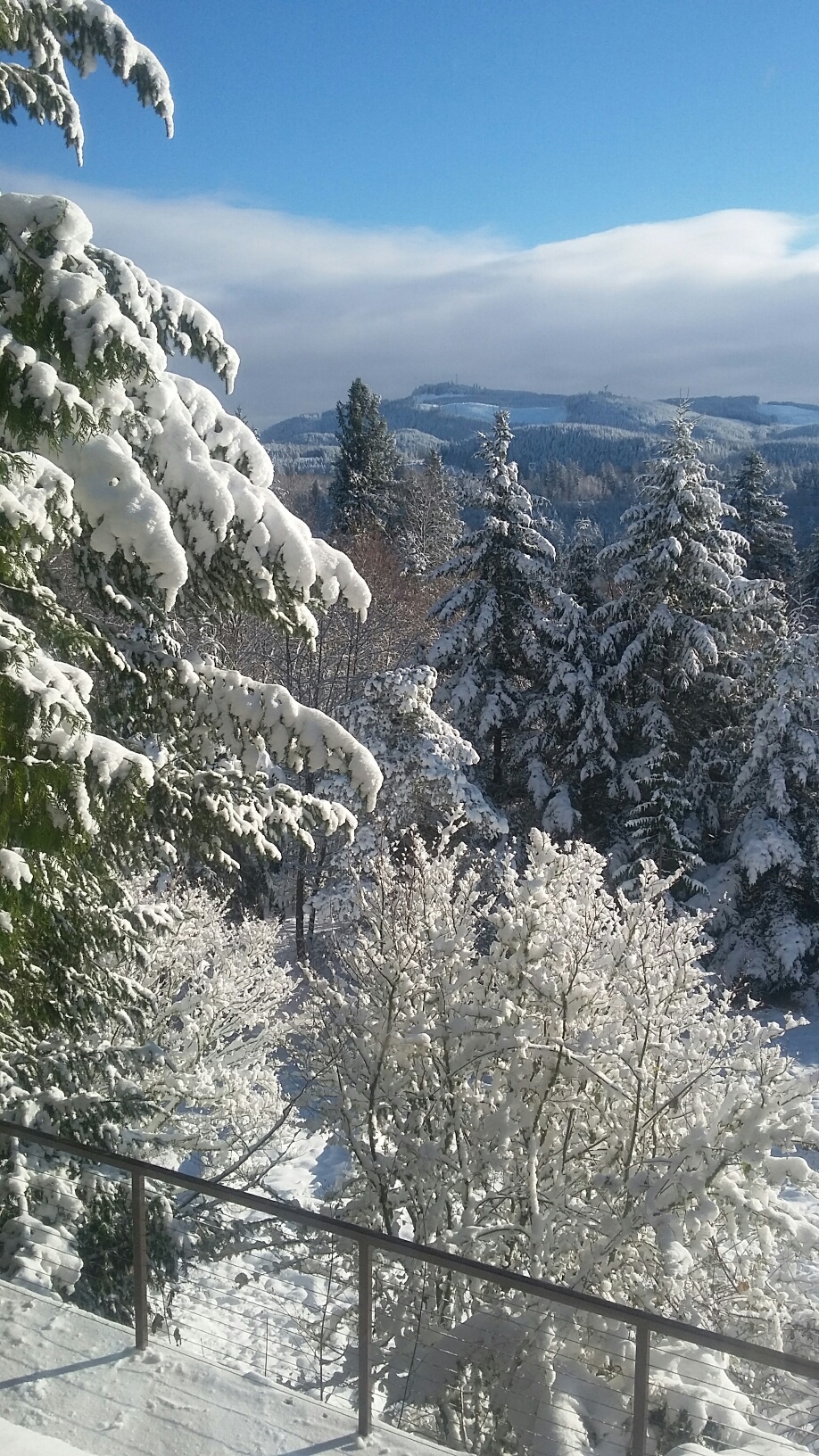
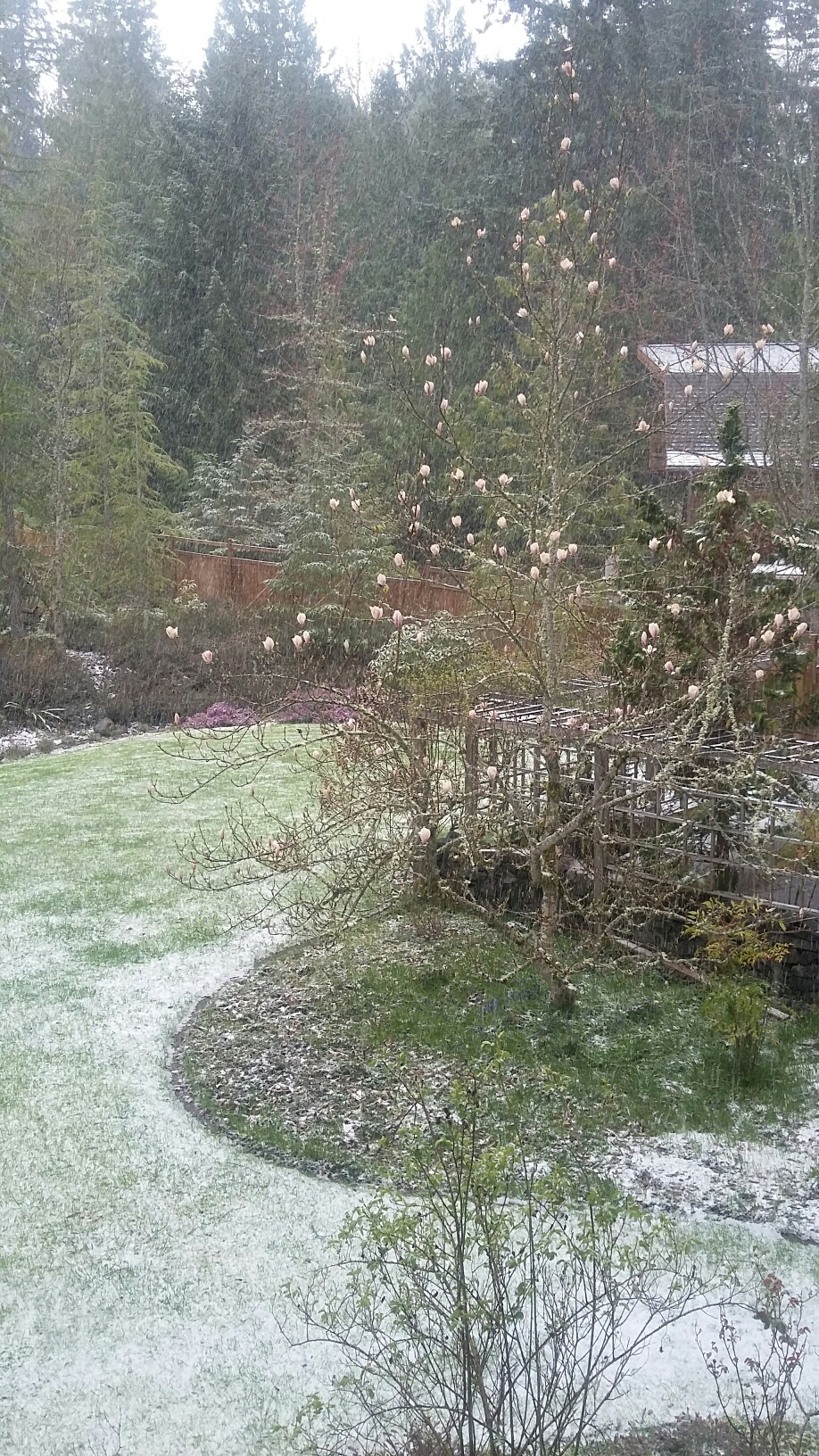
Because of the date, I will begin with THIS: by wishing you all a very MERRY CHRISTMAS! We’ve already had snow a couple of times here to get us in the mood, and it got down to 16F last night, but it looks, from the forecast, like we can expect a very wet December 25th, not a white one. Since we’re not having company here this year, I confess we’ve been pretty lazy about decorating. But at least my front door looks festive!
Next, something else THAT I hope will interest you. If you follow me on Facebook, you may have picked up on the YouTube video interview I did with British author Andrew Knowles for Regency History. The theme for his series of author interviews is the question of research, and as I say in the piece, I was amazed he wanted to include me in the series, since I make no secret of the fact that research is NOT my strong suit.
Anyway, he didn’t seem to hold that against me (phew!), and we had an enjoyable half-hour conversation about Jane Austen, writing Regency, and more. I was enjoying myself so much, in fact, that I almost forgot there was a camera and microphone in front of me… almost.
After getting me all relaxed and comfortable, Andrew threw some rather probing questions at me, ones I wasn’t expecting and that required me to think on my feet, so to speak. (He actually had the nerve to ask me to confess whatever mistakes I had made in my books. As if!)
Anyway, if you want to get to know me, my writing philosophy, and my writing process better (or if you just want to count how many times I manage to lick my lips and make other nervous ticks), I would encourage you to take a look. I think you’ll find it not only informative but entertaining. Here’s the link:
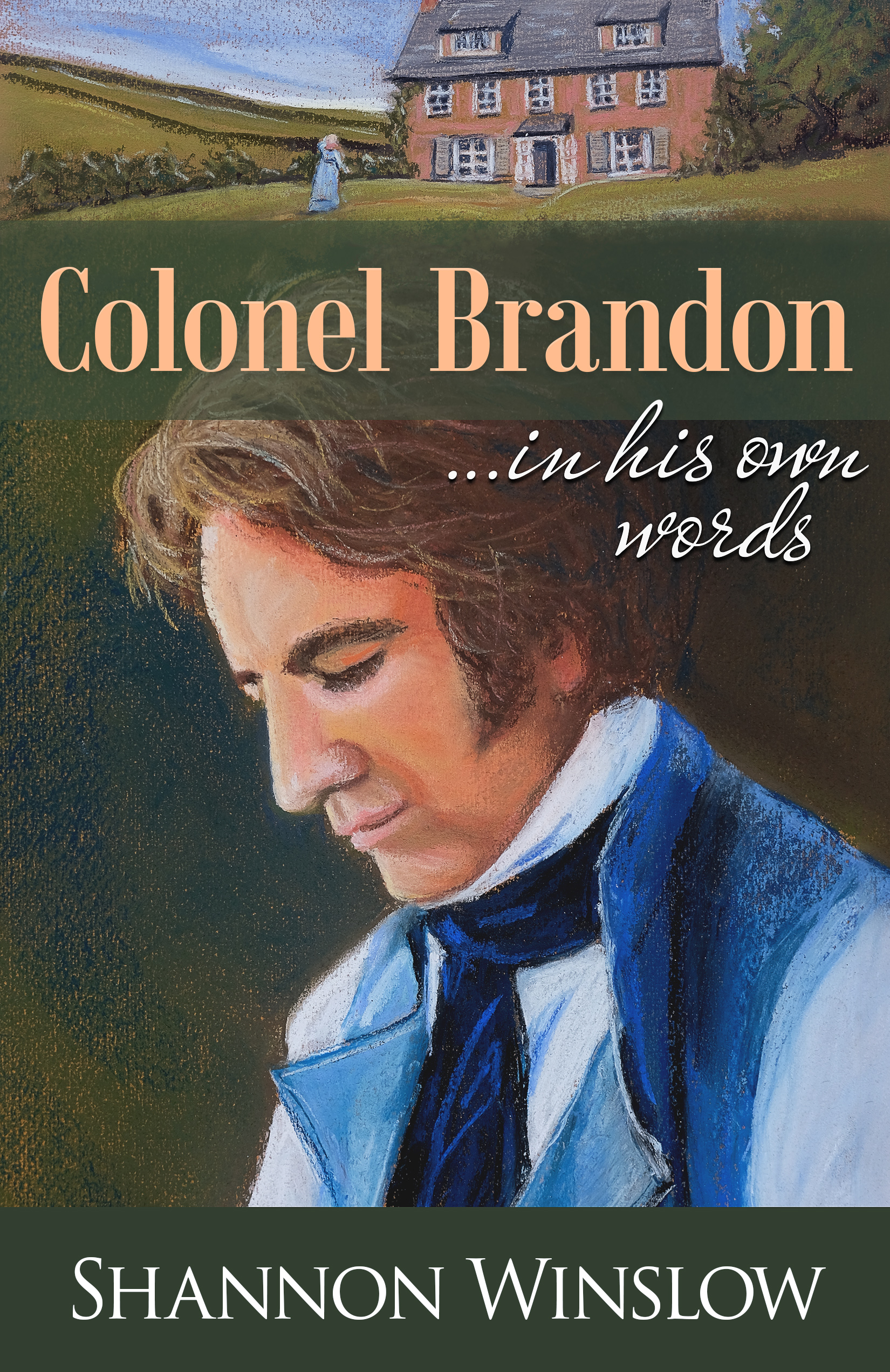
Finally, for the OTHER thing, I wanted to give you an update on how the new book is progressing. (See my previous post for info and to read the prologue.) I’m happy to report that I’ve continued to make steady headway on Mr. Knightley in His Own Words! I now have 10 chapters / 85 pages / 25,000 words so far, which equals 1/4 to 1/3 of an average novel. Long way to go, I know, but I’m excited about how it’s coming along!
You’ve seen the Prologue, and I have a post coming up at Austen Variations on December 29th (link now updated to go directly to it), which will contain the first half of chapter 1. But just for my readers here, I wanted to share a little something extra. So here’s a brief excerpt (which will follow after the other in Chapter 1), and includes a little surprise about Mr. Knightley’s family, told in His Own Words:
I suppose I should start this narration at the beginning; that would make the most sense. I must go back to the events that established the rule for all the rest: why it is that I owe Mr. Woodhouse my total loyalty, and why our families are forever bound together – not only now by John and Isabella’s marriage, but many years prior to that. I must start in 1791, the year before Emma was born.
Until that time, nothing extraordinary had occurred to me. Life was quiet, pleasant, and good. Both my parents lived, and my brothers and I went on well together, making all Highbury, including Hartfield, and Donwell Abbey in particular, our personal grounds for play and exploration. I say “my brothers,” because there were three of us then, you see. I was in the middle at fifteen, with John four and a half years my junior and poor Miles less than two years my senior.
But then my uncle Spencer Knightley came to stay.
Are you surprised to learn that George Knightley had two brothers? You’re the first to know!
Thank you for your patience and hanging with me during the long stretches between book publications! What can I say? When it comes to writing (and most other things, I suspect), I’m more of a tortoise than a hare.

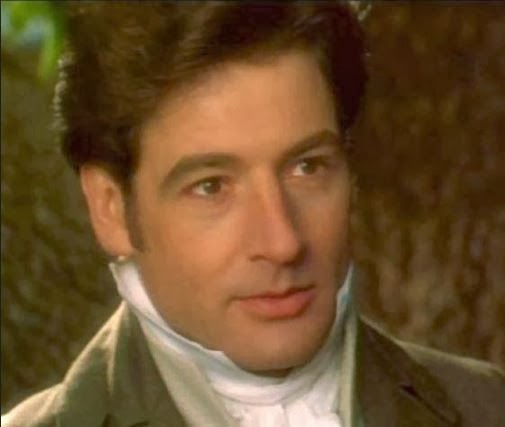
“John enters like a brother into my happiness,” continued Mr. Knightley, “but he is no complimenter; and though I well know him to have, likewise, a most brotherly affection for you, he is so far from making flourishes, that any other young woman might think him rather cool in her praise. But I am not afraid of your seeing what he writes.” (Emma, chapter 17)












 Join me as I weave together my passion for writing and my love of all things Jane Austen. Please also look for me on Facebook.




 Shannon Winslow's "Jane Austen Says..."