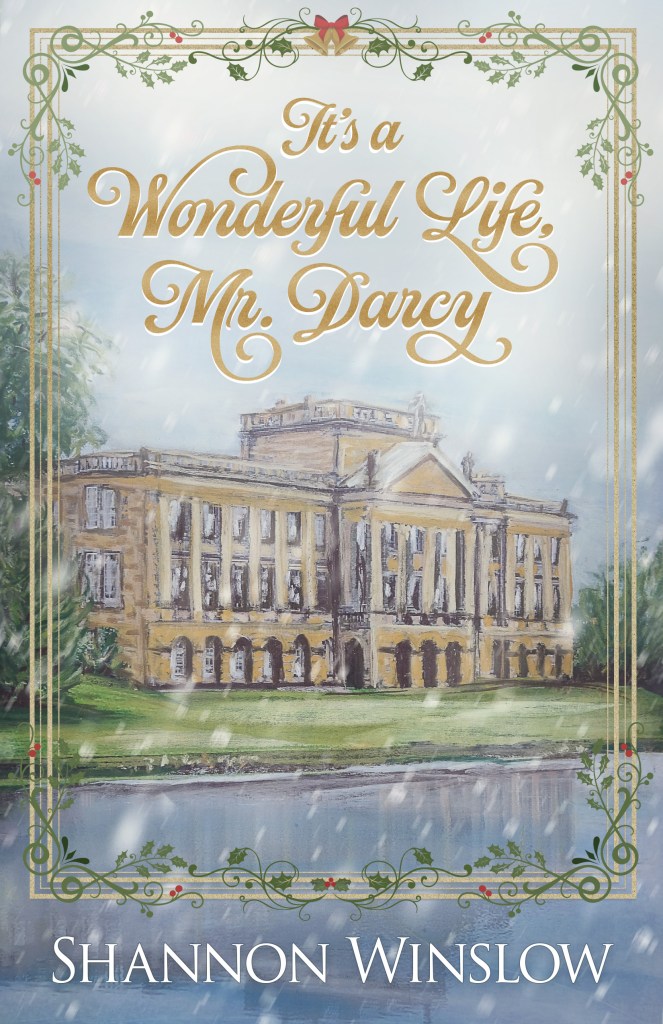
 2020 is winding down, and considering all the troubles we’ve had this year, I think there are few who will be sorry to see it end. But it hasn’t been all bad. We’ve learned new things, like how to conduct a Zoom meeting and how to wear a face mask properly. (Well, let’s be honest, a lot of folks still haven’t learned that one yet!) We’ve learned to be infinitely creative and that it’s possible to do things differently and still get by.
“I know I cannot live as I have done, but I must retrench where I can, and learn to be a better manager. I have been a liberal housekeeper enough, but I shall not be ashamed to practise economy now. My situation is much altered… I must live within my income, or I shall be miserable; and I own it would give me great satisfaction to be able to do rather more, to lay by a little at the end of the year.” (Mansfield Park, chapter 3)
Like Aunt Norris (not the person to whom we usually look for wisdom), we’ve had to change the way we live and be flexible, whether we like it or not!
Since I work at home and do most my my promotional activities online, I have been able to carry on, publishing my 10th book this year: Murder at Northanger Abbey. And I now have 31 chapters (223 pages, and 61,000 words) of my next, my work-in-progress: Fitzwilliam Darcy, in His Own Words.
The most painful change, at least for me, is that we aren’t able to get together with our friends and family as freely and frequently as we used to. We have now survived a much-diminished Thanksgiving, and clearly Christmas won’t be stellar either. If nothing else, though, this year’s deprivations should make us appreciate the “normal” things more when we finally get them back!
Although I don’t think I can reasonably blame this on the pandemic, it is an example of learning to get along without one of those “normal” conveniences that I usually take for granted. My cable TV connection has been on the fritz lately. And while I wait (ever so patiently!) for my husband to make time to do what needs to be done to correct the situation, I have very spotty reception – so spotty that I don’t usually even bother.
 So, I’ve made another adjustment, in this case to how I spend a couple of hours each evening, by combining two of my favorite hobbies into one. With no TV, my new wind-down, decompression routine is listening to audio books while I solve online jigsaw puzzles. Extra reading is probably a better use of my time anyway!
Speaking of audio books, this has been an exceptional year for me in that department, with three new productions! Two are already available and one more is coming soon. To celebrate, I’ve decided to do what authors do best and give some books away – audio books. Consider it a Christmas present form me to you!


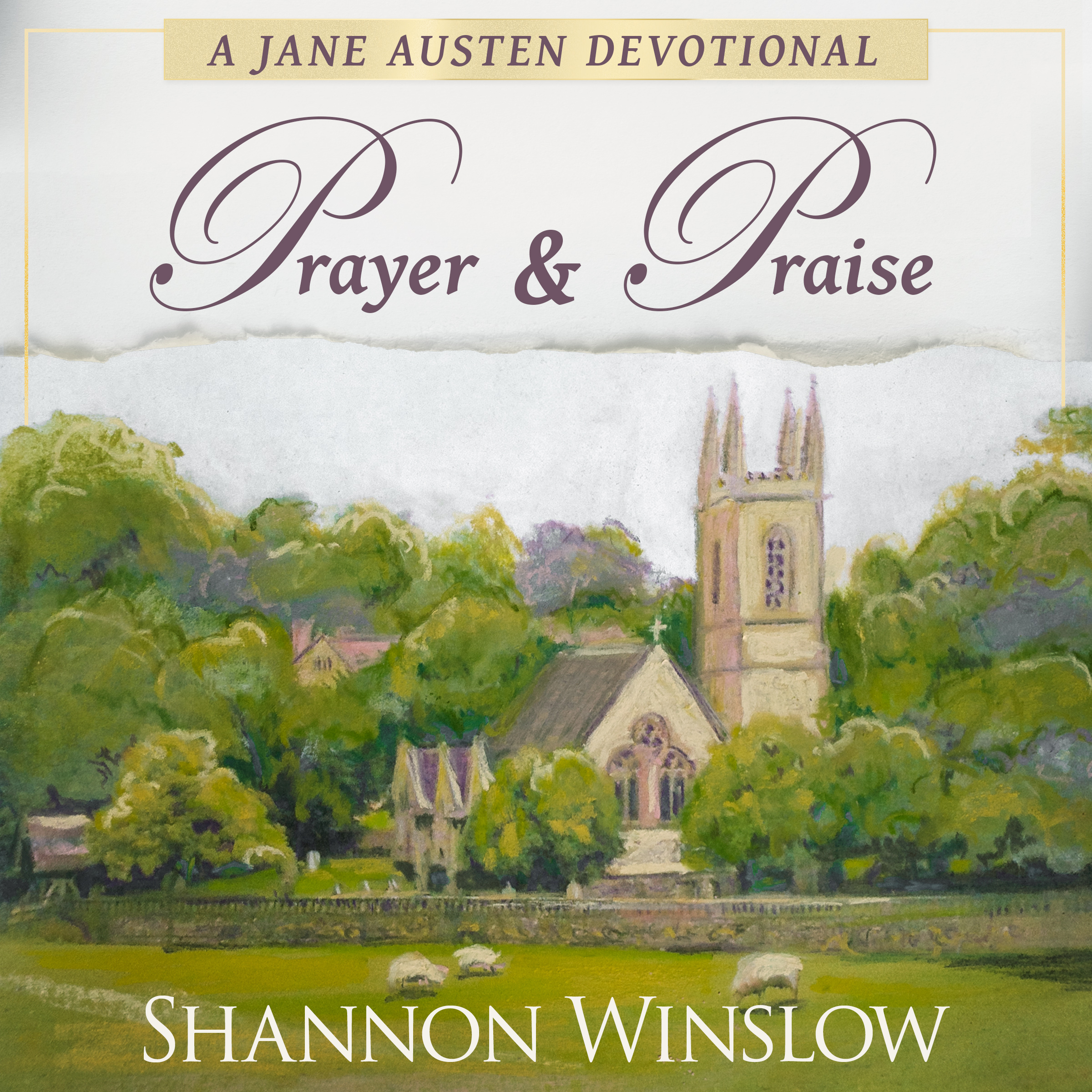

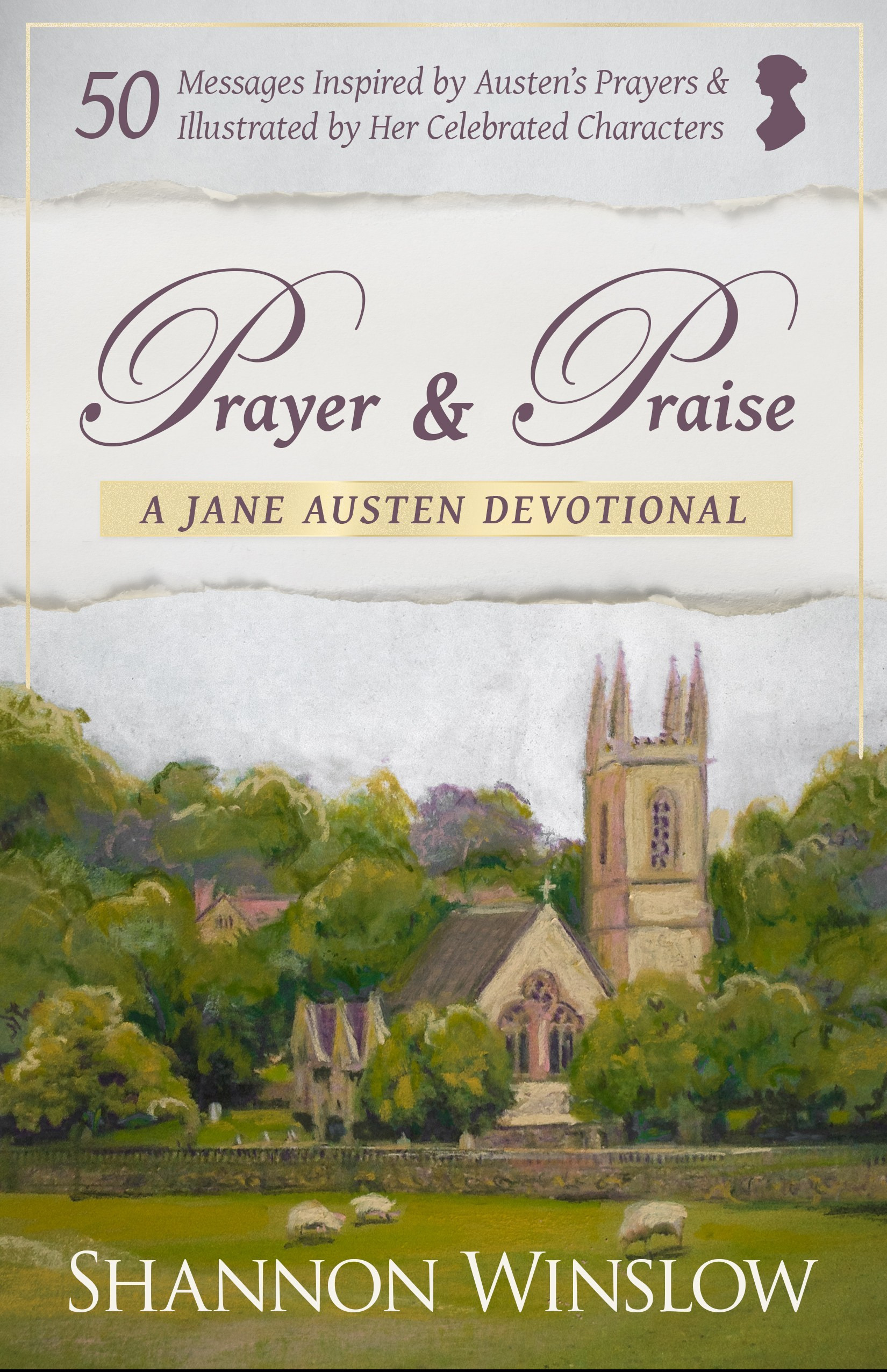
In honor of my 10th book published, I’m giving away a total of ten – YES 10! – audio codes (one to each of 10 winners) for the book of your choice from my 4 most recent productions: The Ladies of Rosings Park, Leap of Hope, Murder at Northanger Abbey, and Prayer & Praise: a Jane Austen Devotional.
To be entered in the random drawing, simply leave a comment below about what kind of “adjustment” you’ve learned to make this year, and which book you’d like to win. Then check back here or my FB page on December 23rd to see if you’ve won! (For winners who do not have a US or UK Audible account, an ebook will be substituted where possible.)
12/23 UPDATE!!! The TEN WINNERS ARE: Nicole Easton, Lynn Chat, Sheilalmajczan, Kate B, bessamina, Marie H, wendym215, Maud Steyaert, pedmission, and Tamara Howard. To claim you prize, please contact me by email at shannon(at)shannonwinslow(dot)com, subject line “audio code winner.” Let me know which of the four books offered you want and whether you need a US or a UK audio code or a substitute prize. (Prayer & Praise is not available yet, but I will pass it along as soon as it goes live.) Congratulations and I hope you enjoy your books!
Anyway, I hope you are staying healthy, creatively flexible, and in spite of everything, joyful this holiday season. I’m wishing you Happy Reading and all the best in the New Year!



:no_upscale()/cdn.vox-cdn.com/uploads/chorus_asset/file/8852431/senseandsensibility2.jpg)

 Thank you! All your positive feedback on my previous post (
 The only situation in Darcy’s prior life that we know very much about from P&P is Wickham’s attempted elopement with Georgiana. Since this event falls within the scope of my work-in-progress, I took another look at D’s letter to E, where it’s spoken of:
 Nevertheless, there it was in black and white: I wrote to Wickham. And since I’m only adding to, not changing, the original story, a letter from Darcy to Wickham I must write!
 Audio Book Update – In case you haven’t heard yet, Leap of Hope is available in
  Update 4/14/21: Here’s the cover! Everything’s on track for publication May 4th in Kindle, KU, and paperback. (Kindle pre-order now available at
 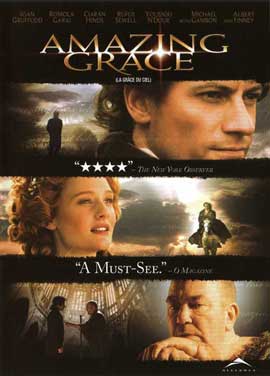 Now, on to the main topic of this post: the movie Amazing Grace. I first saw this excellent movie several years ago, but current events got me thinking about (and watching) it again.
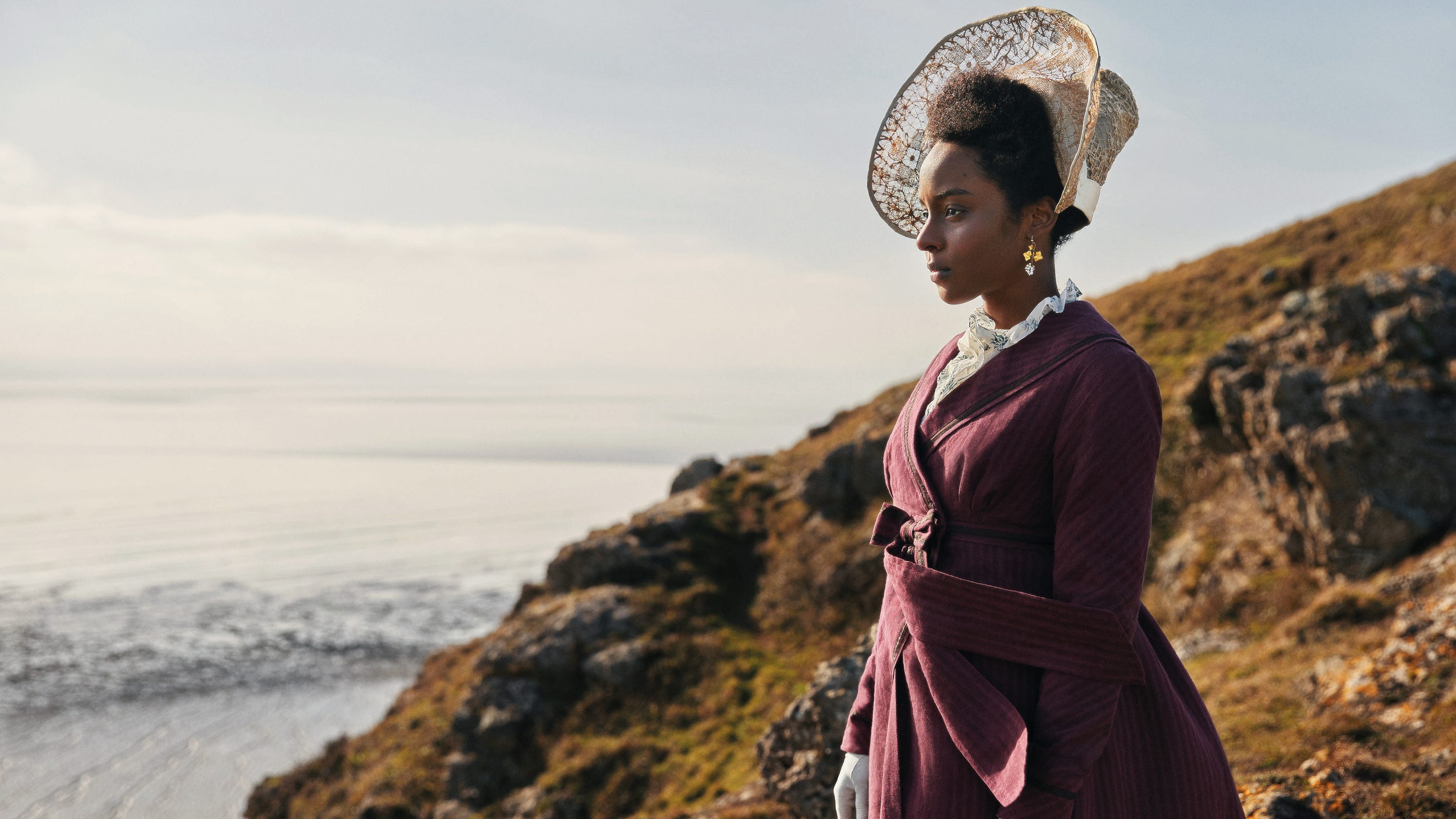 My point is that Jane Austen must have had at least some exposure to people of other races. And although she never addressed wars and political movements head on in her novels, she, and her characters likewise, were not unaware of the major issues of the day, one of those (arguably the most significant) being the debate over abolishing the slave trade that generated so much wealth for the British empire and many of its upper class families, and which is also the subject of Amazing Grace.
 Amazing Grace (2006) is based on the true story of William Wilberforce (Ioan Gruffudd) and his passionate, courageous, decades-long quest to end British sanction of and participation in the slave trade, a quest that is ultimately successful. Along the way, he faces intense opposition, but he also finds formidable allies in the fight:
 John Newton (Albert Finney), a reformed slave ship captain turned Christian minister, who penned the beloved hymn that gives the movie its title.
 Olaudah Equiano (Youssou N’Dour) a former slave who purchased his own freedom and went on to publish his compelling and hugely successful autobiography depicting the horrors of slavery.
 All this took place during Jane Austen’s lifetime.
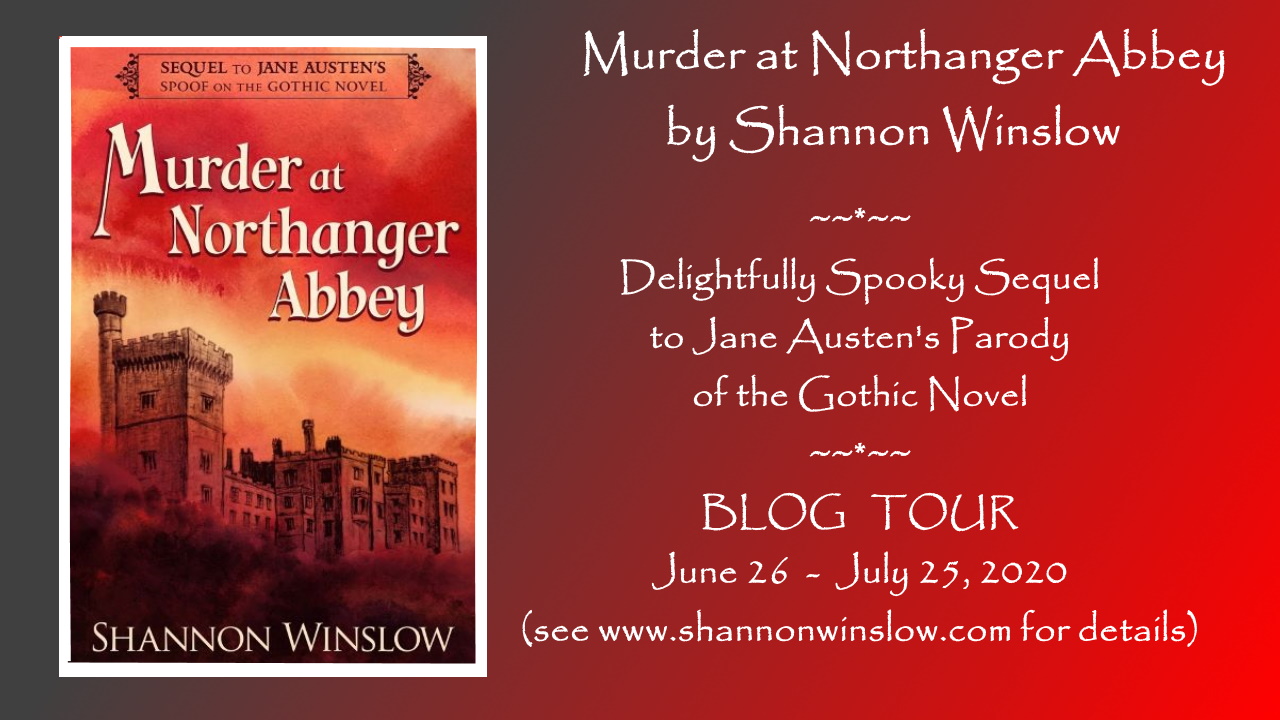 The day is finally here! Maybe some of you have been waiting impatiently for Murder at Northanger Abbey to come out. Believe me, I have too!
 To be more specific could be considered a spoiler, even though the answer is revealed early in the book. So I will leave it up to you if you want to know now or not. If you do, you will find the answer at the bottom of the launch post running concurrently at
 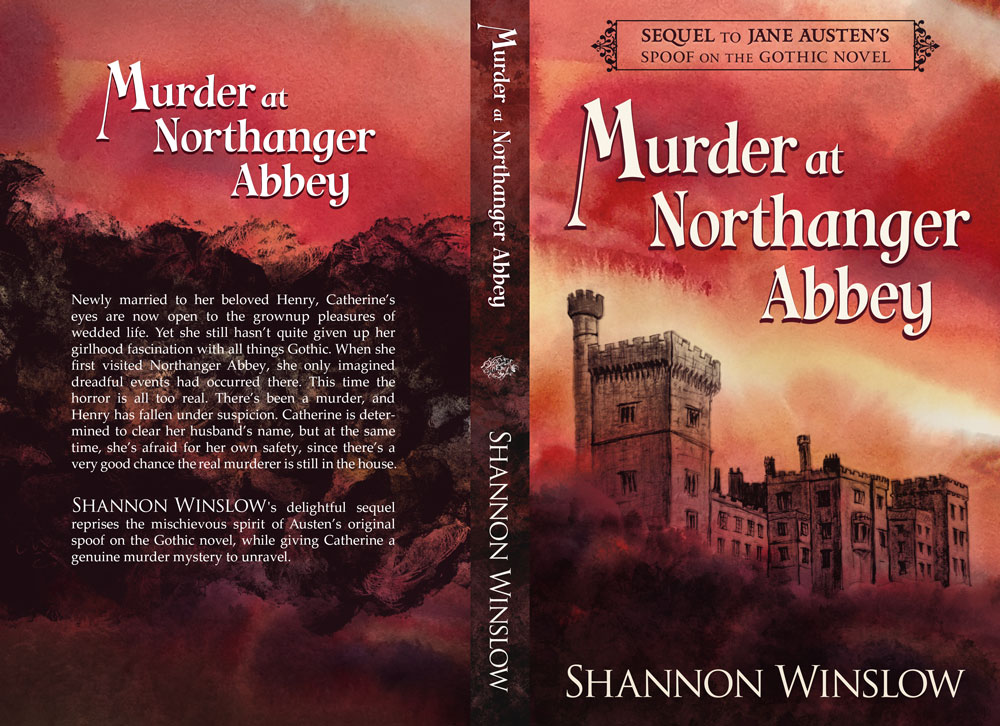 I’d never written a murder mystery before, but that seemed the only choice for a sequel to Northanger Abbey. So I went for it, taking an unconventional approach. You see, unlike most writers of the genre, I didn’t decide “who done it” until I was halfway through the book. Not my fault, really; there were just so many good suspects to choose from! Think Gosford Park: lots of people in the house and everybody has a motive. Anyway, you’ll have to read for yourself to see who the real culprit (and the victim) turn out to be!
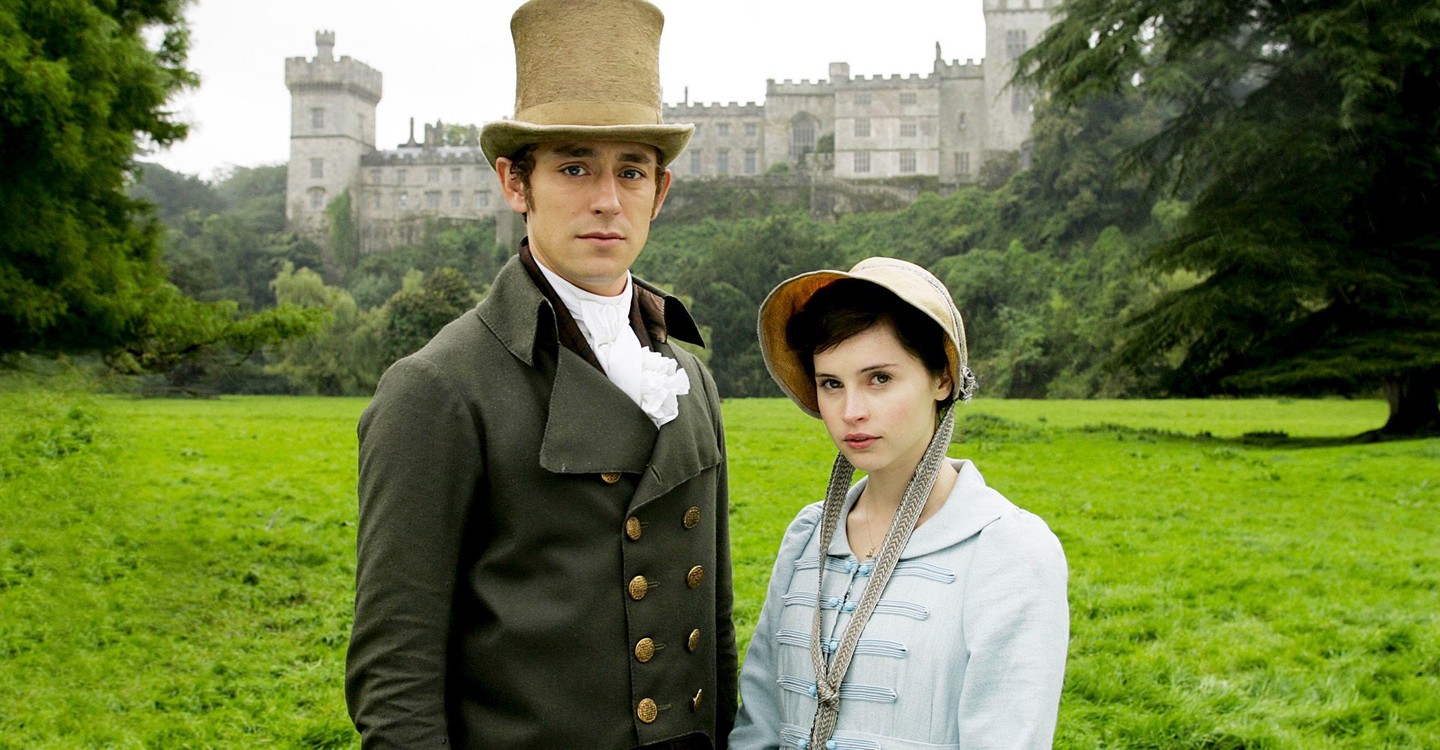 Things are on track for a June 23rd release of my next novel! Yay! All four of my beta readers have reported back with very positive feedback and no major changes recommended. Now just a proof read, formatting, and the final touches to the cover remain!
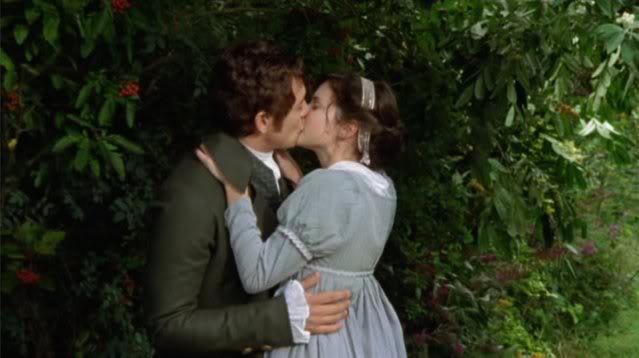 PS – If you haven’t read Northanger Abbey lately or perhaps ever, I’d like to invite you to read/reread it now, so that you’ll be ready for its sequel when it comes out next month! – for that seamless transition the beta reader spoke of above. Think you won’t care for NA? Take another look with an open mind. Although in a different style from Mr. Darcy or Mr. Knightley, Henry Tilney is a worthy hero (
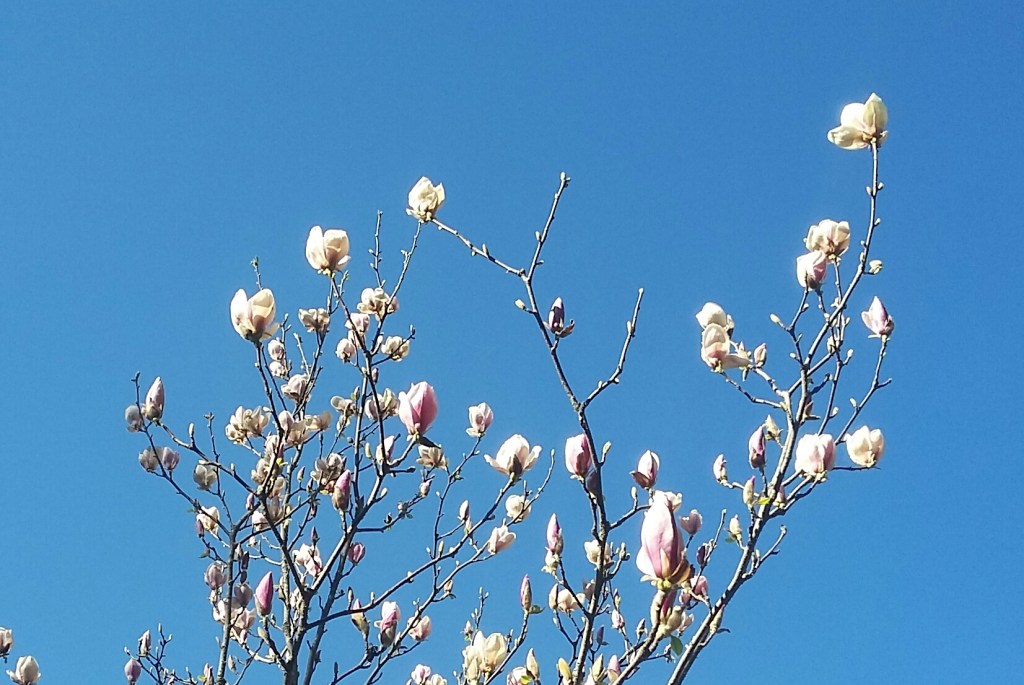 Yesterday was such a beautiful Spring day in the Pacific Northwest. The sky was blue, the birds were singing, the thermometer topped 70 degrees for the first time in a long while, and my magnolia tree burst into glorious bloom. At my house in the country, surrounded by all that “rightness,” it was hard to believe anything could be very wrong in the world. Yet I knew that when I turned on the TV, there would be a new, shockingly high COVID-19 death count. There would be more heart-wrenching stories of loved ones lost, incredible hardships, and financial devastation.
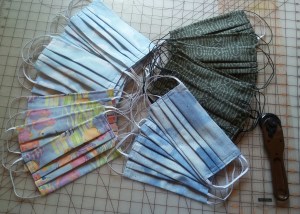 I’m trying to do what little I can. I’m obeying the ‘stay at home’ order to avoid adding to the problem. I’ve sewn and donated a few dozen masks and given some money. But I wish I could to do more to help. Unfortunately, I don’t have the training to save lives on the front lines. I’m not a scientist researching a cure. I’m not even a grocery worker or someone else providing an essential service. I’m a writer.
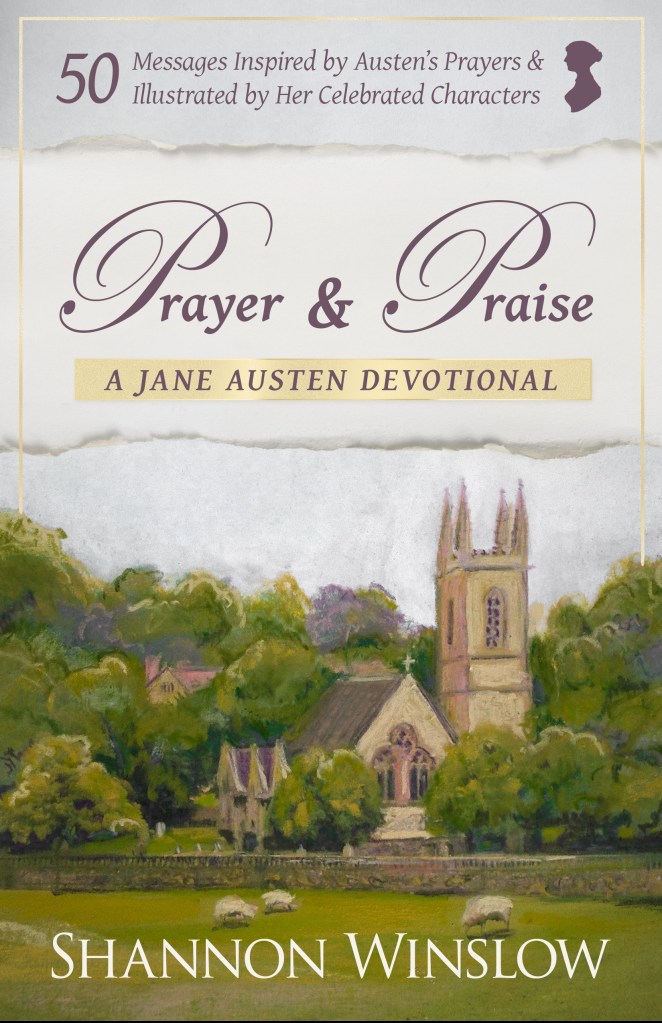 During the current crisis, I’m pleased to be basically giving it away to anybody who wants it – as close to free as I can make it, that is. For a limited time, it is available at
  Today is Good Friday, the day Christians commemorated Jesus Christ’s suffering and death on the cross. Despite the horror of the event, it’s appropriate to call it ‘
 Join me as I weave together my passion for writing and my love of all things Jane Austen. Please also look for me on Facebook.